Discovering the profound impact of nature-based education on young minds and hearts
When Nature Becomes the Teacher
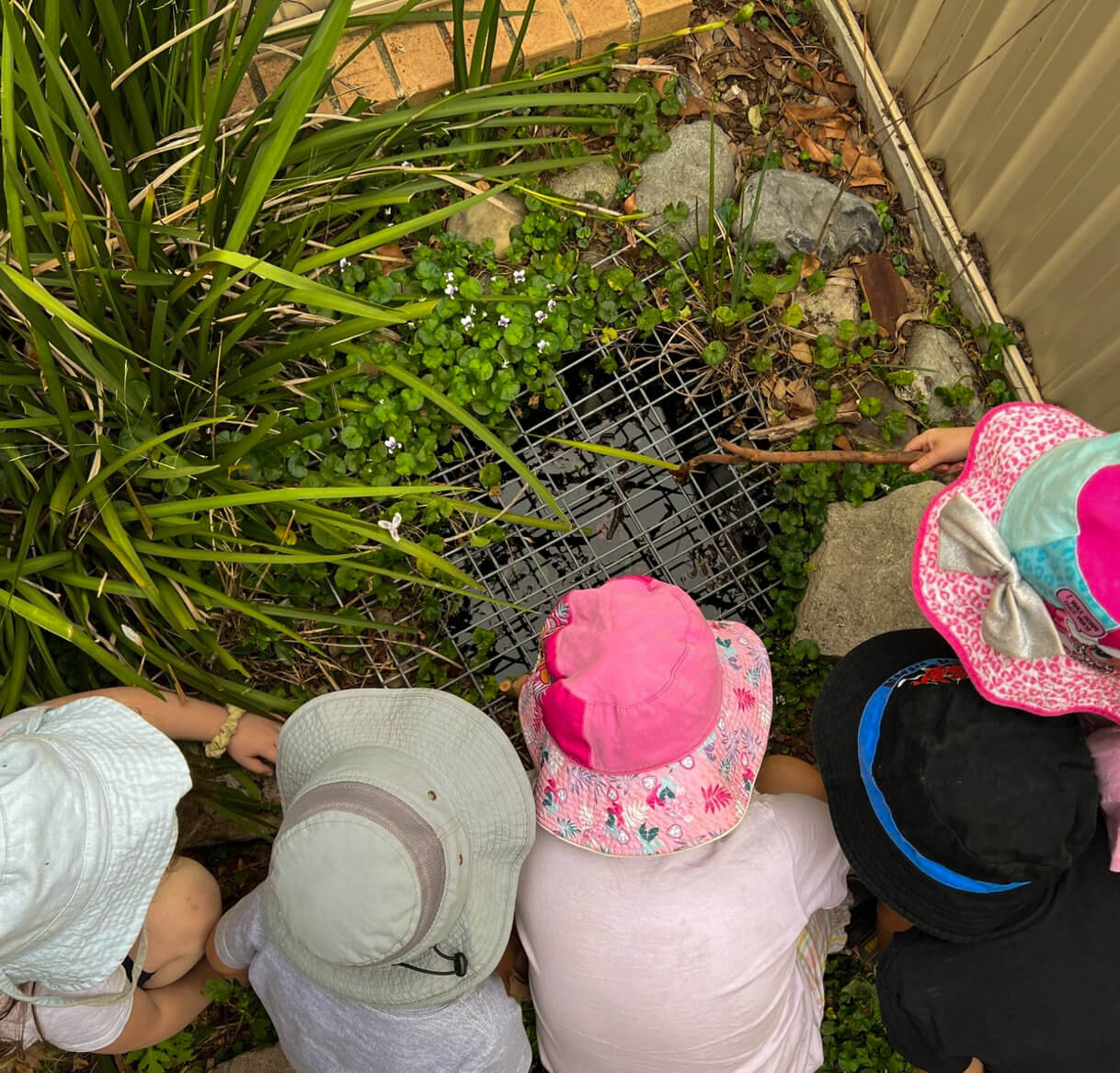
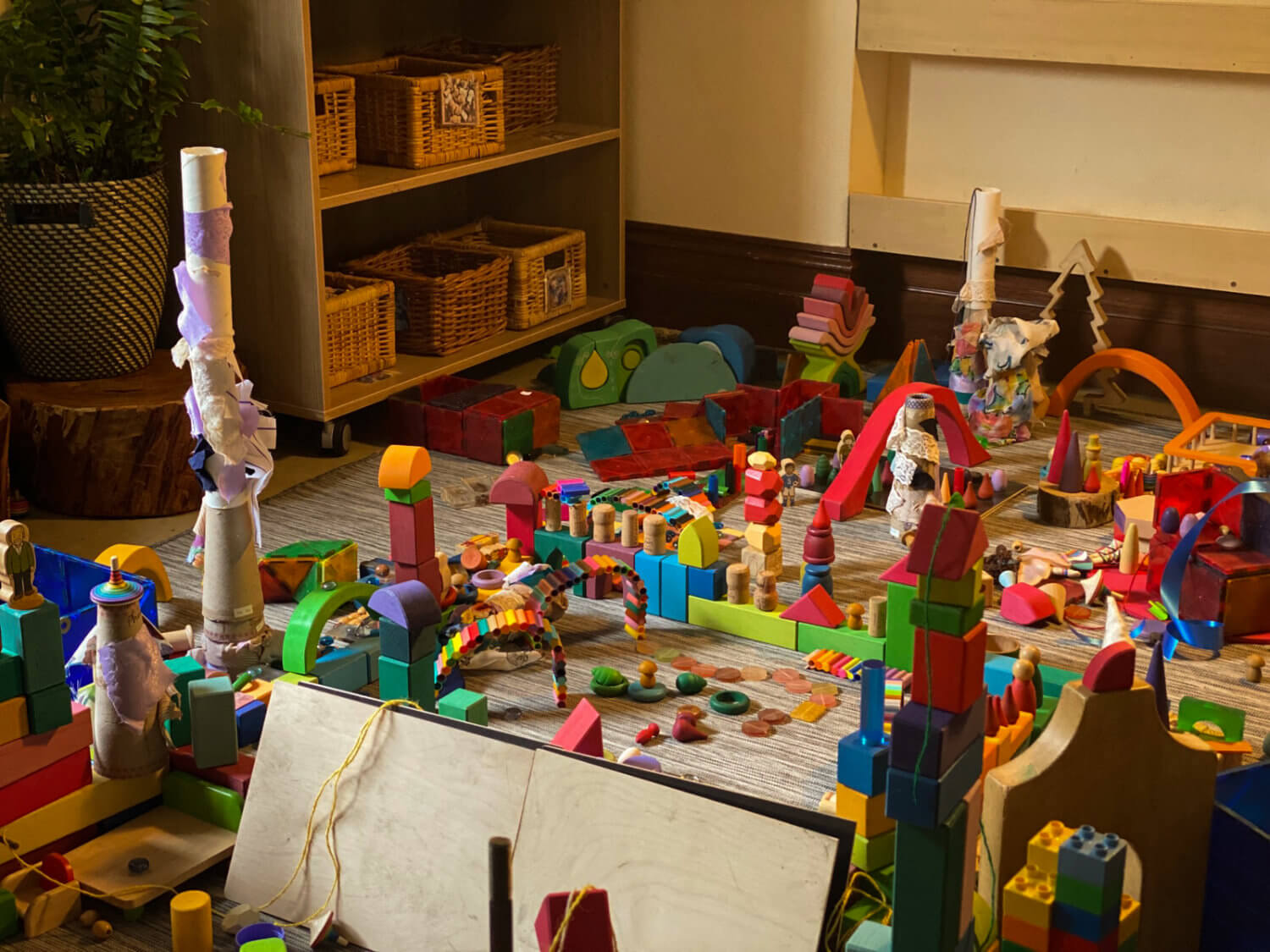
Picture this: A group of four-year-olds are completely absorbed in building a bridge across a small creek using fallen branches and stones. There’s no instruction manual, no predetermined outcome, no right or wrong way. Just children, natural materials, and the gentle guidance of an educator who understands that some of life’s most important lessons happen when we step outside four walls.
This scene plays out daily in outdoor learning environments around the world, and the results are nothing short of transformative. Children who might struggle to sit still in a traditional classroom become focused problem-solvers. Shy children find their voices through nature’s gentle encouragement. Active learners discover that trees make excellent climbing frames and fallen logs become balance beams perfectly suited to their developmental needs.
As early childhood educators who have witnessed the magic of outdoor learning firsthand, we know that nature isn’t just a pleasant backdrop for education—it’s one of the most powerful teachers our children will ever encounter.
Yet in our increasingly digital world, more than 56% of children play outdoors for less than an hour each day—a dramatic shift from previous generations who spent most of their free time in natural environments. This disconnection from nature isn’t just unfortunate; research shows it’s impacting children’s development in profound ways.
The good news? A growing movement of educators, researchers, and families are rediscovering what indigenous cultures have always known: the natural world provides the richest, most engaging classroom imaginable. From the forest schools of Scandinavia to Australia’s beloved bush kindergartens, outdoor learning is transforming how we think about early childhood education.
Today, we’ll explore what cutting-edge research tells us about outdoor learning benefits for children, discover how nature-based education supports holistic development, and share practical ways to bring these powerful principles into your child’s learning journey.
The Research Revolution: What Science Tells Us About Outdoor Learning
The evidence for outdoor learning’s transformative power is overwhelming. A comprehensive analysis of 20 studies from 10 different countries has revealed consistent, powerful benefits when children learn in natural environments. The research spans diverse outdoor settings—from forests and beaches to school gardens and local parks—and the message is crystal clear: outdoor learning positively influences children’s personal and social growth, healthy development, wellbeing, and learning abilities.
The Holistic Development Connection
Recent research published in Educational Research identified six key areas where outdoor learning creates profound impacts:
Children’s Holistic Development: Unlike indoor environments that often fragment learning into separate subjects, nature integration provides opportunities for children to develop cognitively, physically, socially, and emotionally—all at the same time.
Health and Wellbeing: Studies consistently show that children who engage in regular outdoor learning exhibit improved physical fitness, stronger immune systems, better vision health, and reduced stress levels. Natural sunlight provides essential Vitamin D for bone development, while varied terrain naturally improves motor skills and coordination.
Multimodal, Hands-On Learning: The outdoor environment engages all the senses simultaneously. Children learn through touch, sight, sound, smell, and movement in ways that artificial classroom materials simply cannot replicate.
Experiences In and Of Nature: Beyond just being outside, children develop deep connections with natural systems, fostering environmental stewardship and understanding of ecological relationships.
The Cognitive Enhancement Evidence
Perhaps most exciting for educators is the research on cognitive benefits of outdoor learning. Studies from institutions worldwide demonstrate that exposure to natural environments:
- Improves memory, attention, and problem-solving skills significantly
- Enhances creativity and imagination through open-ended natural materials
- Develops critical thinking through real-world problem-solving opportunities
- Supports language development as children describe complex natural phenomena
- Reduces symptoms of ADHD and improves overall focus and concentration
Research from Teachers College, Columbia University found that when children engage in experiential learning outdoors, “their understanding is drastically improved” because they can “incorporate all of their senses into learning.” This multimodal approach is particularly beneficial for children who are emergent bilinguals or those who learn differently.
The Australian Context: Bush Kindergartens Leading the Way
Australia has embraced outdoor learning through the growing bush kindergarten movement—our unique adaptation of Scandinavian forest schools. Research published in the Australian Journal of Environmental Education found that bush kindergartens are “building young children’s relationships with the environment” in powerful ways.
Australian data reveals a concerning trend: while early childhood education centres are required to provide daily outdoor learning opportunities, there’s a significant inconsistency when children transition to primary school. This gap is creating what researchers call a “jarring” experience for families accustomed to nature-based learning.
The Australian Forest School Association reports that programs across the country are offering children “regular and ongoing uninterrupted immersion programs in natural wild spaces,” fostering resilience through physical and emotional risk-taking while supporting natural play rhythms.
The Social-Emotional Benefits That Touch Our Hearts
What moves us most as educators are the social-emotional transformations we witness in outdoor learning environments:
Enhanced Social Skills: The unstructured nature of outdoor play naturally encourages cooperation, negotiation, and conflict resolution. Group activities like building shelters or creating nature art foster communication and teamwork in ways that structured indoor activities often cannot match.
Emotional Regulation: Research consistently shows that time in nature has a calming effect, reducing stress and anxiety while promoting emotional wellbeing. The natural environment provides space for children to process big emotions without the sensory overload often present in indoor settings.
Confidence and Independence: When children successfully navigate natural challenges—climbing a tree, crossing a stream, building with loose materials—they develop genuine confidence in their abilities. Research from forest schools in England and Wales highlights that outdoor programs foster confidence, independence, and enhanced communication skills.
Risk Assessment and Resilience: Perhaps counterintuitively, the slightly “wilder” environment of outdoor learning, where calculated risk is part of the experience, helps children develop better risk assessment skills and greater resilience than overly protected indoor environments.
Beyond Four Walls: Understanding Nature-Based Learning
Traditional classrooms, despite best intentions, can inadvertently limit learning opportunities. When we step outside, we enter a space where children can move freely, engage all their senses, and follow their natural curiosity without the constraints of furniture, walls, or predetermined materials.
The Magic of Natural Materials
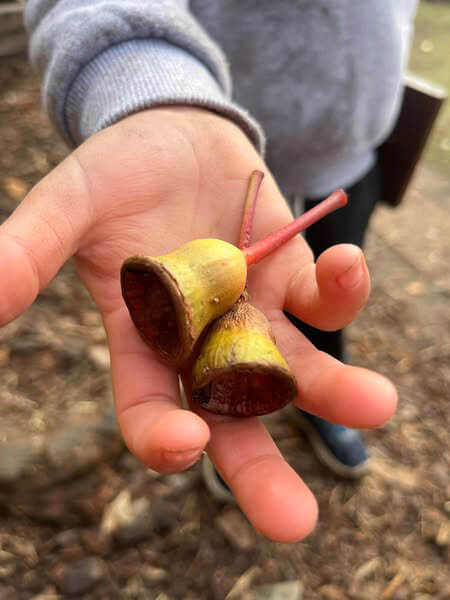
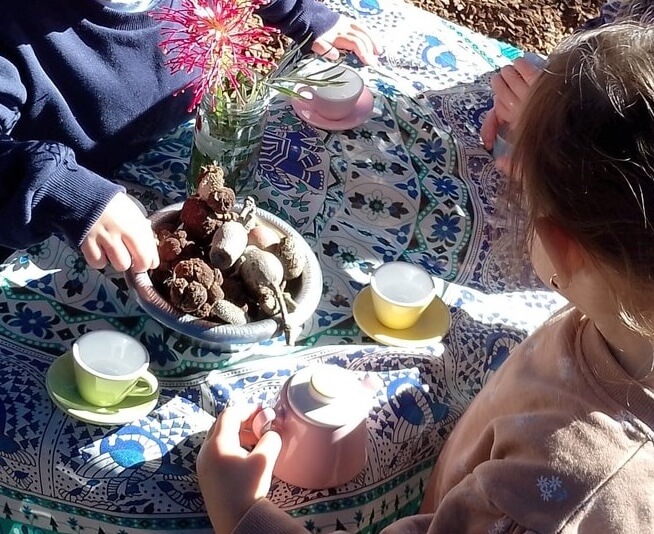
One of the most profound aspects of outdoor learning is how natural materials spark creativity and learning in ways that manufactured toys cannot. Research consistently shows that elements like sticks, stones, leaves, water, sand, and dirt inspire children’s imaginations far more effectively than toys with predetermined functions.
Here’s why natural materials are so powerful:
- Open-ended possibilities: A stick can become a magic wand, a drumstick, a measuring tool, or a bridge component
- Sensory richness: Natural textures, weights, and temperatures provide complex sensory input
- Mathematical concepts: Sorting shells, measuring tree heights, or counting flower petals naturally introduce mathematical thinking
- Scientific inquiry: Observing how leaves decompose or watching ant behaviour sparks genuine scientific questions
The absence of commercial toys in outdoor environments supports language development as children must verbally negotiate the meaning and use of natural objects in their play.
Seasonal Learning and Long-Term Engagement
Unlike indoor environments that remain static, outdoor learning spaces change continuously with seasons, weather, and natural cycles. This dynamic quality provides endless opportunities for observation, comparison, and deep learning.
Children who engage with the same outdoor space over time develop what researchers call “place attachment”—a deep connection to a particular environment that enhances both learning and emotional wellbeing. They notice subtle changes: which flowers bloom when, how different animals behave in various seasons, how weather affects plant growth.
This longitudinal relationship with place supports inquiry-based learning as children develop genuine questions about the natural processes they observe over time.
Weather as Teacher, Not Obstacle
In authentic outdoor learning programs, weather becomes part of the curriculum rather than a barrier to it. Children who learn outdoors in all weather conditions develop resilience, adaptability, and a realistic relationship with natural elements.
Research from Scandinavian forest schools shows that children who attend “rain or shine” programs demonstrate:
- Better physical health and stronger immune systems
- Enhanced problem-solving skills developed through weather-related challenges
- Greater emotional regulation and stress resilience
- Deeper environmental understanding of natural cycles and processes
The Australian Bush Kindergarten Revolution
Australia’s unique landscape and climate have given rise to our own beautiful interpretation of forest school principles: bush kindergartens. These programs, often called “bush kinder,” represent a growing movement toward reconnecting Australian children with their natural heritage.
What Makes Bush Kindergartens Special
Bush kindergartens in Australia typically involve children spending substantial time in local natural environments—bushland, beaches, or parklands—engaging in unstructured play and discovery. Unlike European forest schools that operate in actual forests, Australian programs adapt to our diverse landscapes, from coastal environments to urban bushland reserves.
Key characteristics of quality bush kindergarten programs include:
- Regular weekly sessions (typically 3-4 hours) in natural settings
- Child-initiated play with minimal adult direction
- Use of natural materials rather than manufactured toys
- All-weather approach that embraces rather than avoids natural elements
- Focus on local ecology and indigenous cultural connections
- Small group sizes with high adult-to-child ratios for safety and support
The Research on Australian Outcomes
Studies of Australian bush kindergartens reveal outcomes that align with international research while highlighting unique benefits:
Environmental Connection: Children develop genuine care and respect for Australian native environments, understanding local ecosystems and developing environmental stewardship values.
Cultural Learning: Many programs incorporate Aboriginal cultural knowledge and perspectives, helping children understand indigenous relationships with country and traditional ecological practices.
Independence and Self-Regulation: The “wilder” environment challenges children to assess risks and make decisions independently, fostering self-reliance and confidence.
Community Building: Bush kindergarten programs often strengthen local community connections as families share outdoor experiences and environmental knowledge.
The Transition Challenge
Research highlights a significant challenge in the Australian context: the dramatic difference between outdoor learning opportunities in early childhood education and primary school settings. While early childhood centres are required to provide daily outdoor experiences, most primary schools lack similar requirements.
This inconsistency creates what families describe as a “jarring transition” when children move from nature-rich early childhood programs to classroom-focused primary education. Researchers recommend addressing this gap to ensure continuity of outdoor learning benefits across the early years.
Bringing Nature’s Classroom Home: Practical Applications
While not every family has access to formal bush kindergarten programs, the principles of outdoor learning can be embraced in countless ways. The goal isn’t to replicate wilderness experiences but to prioritise regular, meaningful connections with natural elements in whatever form they’re available.
Creating Outdoor Learning Opportunities at Home
In Your Garden or Yard:
- Create a digging patch where children can excavate, plant, and experiment with soil
- Establish a nature collection area for interesting objects children find outdoors
- Set up simple weather monitoring activities like rain gauges or wind indicators
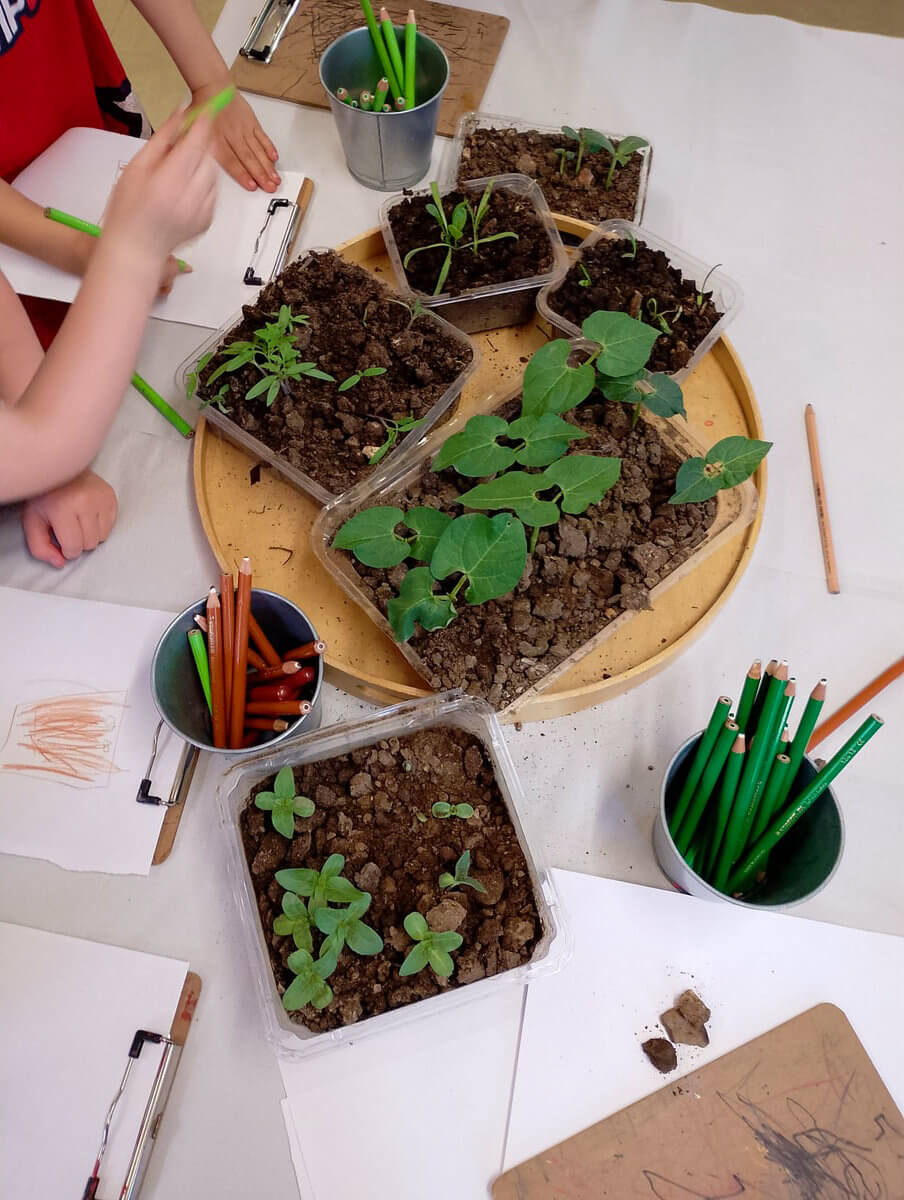
- Plant a small garden where children can observe growth cycles and care for living things
- Install bird feeding stations to encourage wildlife observation
In Community Spaces:
- Regular visits to local parks with intentional exploration rather than just playground use
- Beach or creek visits for water play and natural material collection
- Community garden participation for hands-on growing experiences
- Nature walks with purpose like scavenger hunts or photography projects
Inquiry-Based Nature Exploration
The key to meaningful outdoor learning is following children’s natural curiosity. Rather than adult-directed activities, effective outdoor education responds to children’s questions and interests:
When your child wonders “Why do leaves change colour?”:
- Collect different coloured leaves and examine them together
- Research simple explanations appropriate to their age
- Create leaf artwork that explores colour and pattern
- Visit the same tree regularly to observe changes over time
When they ask “Where do bugs live?”:
- Explore different microhabitats in your outdoor space
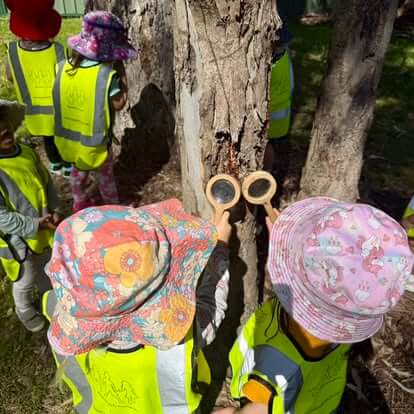
- Use magnifying glasses to observe insect behaviour
- Create bug hotels using natural materials
- Keep a simple nature journal documenting discoveries
Supporting All-Weather Outdoor Engagement
Quality outdoor learning happens in all weather conditions. While Australian families often retreat indoors during rain or extreme weather, some of the most memorable and valuable outdoor experiences occur during these times:
Rainy Day Opportunities:
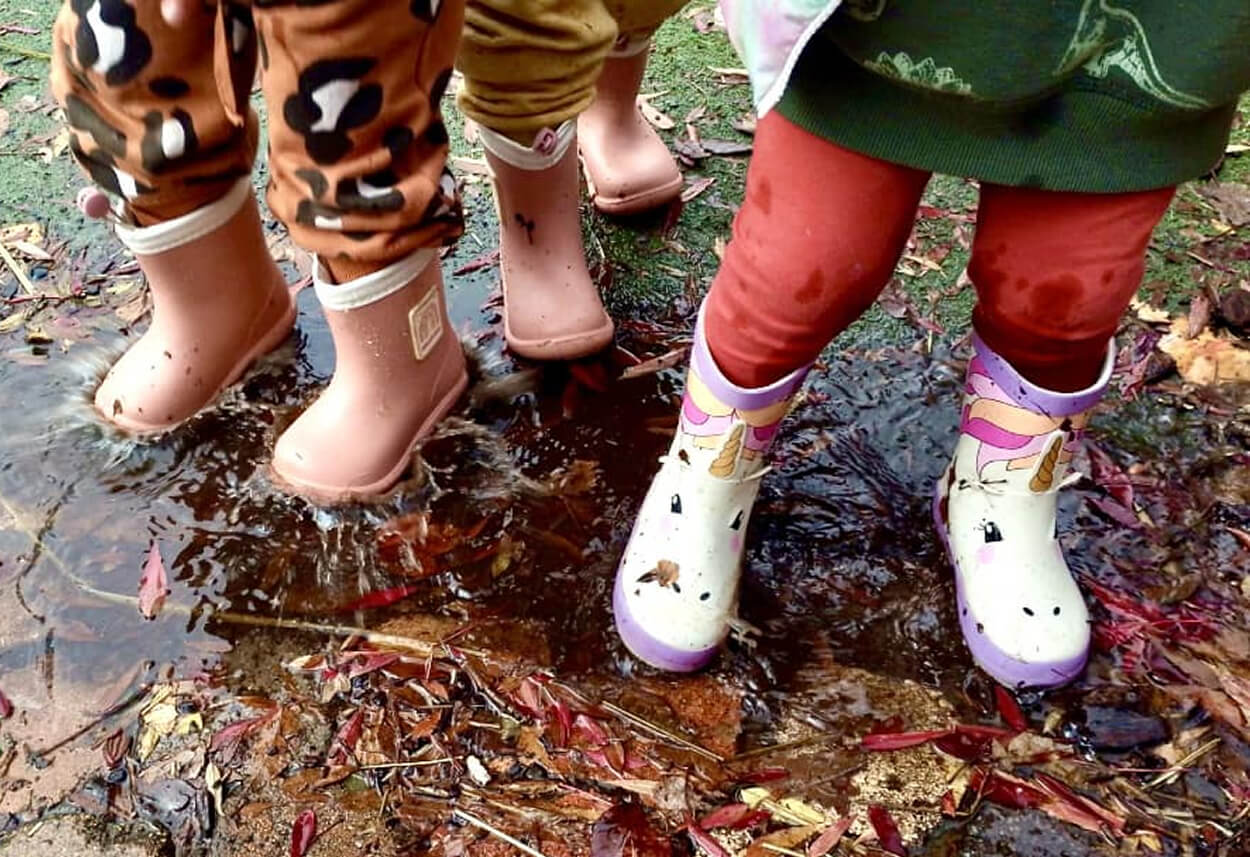
- Puddle exploration for physics learning about water behaviour
- Rain collection and measurement for mathematical thinking
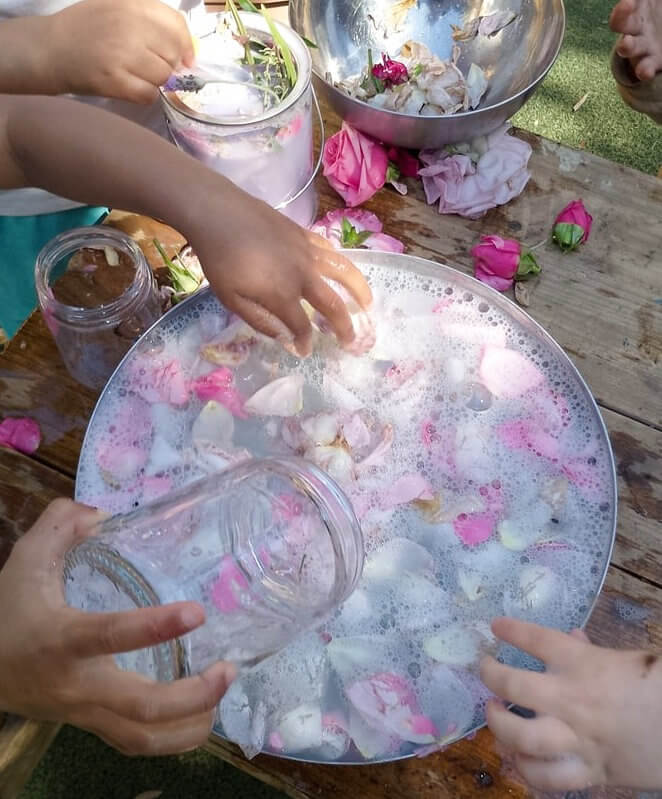
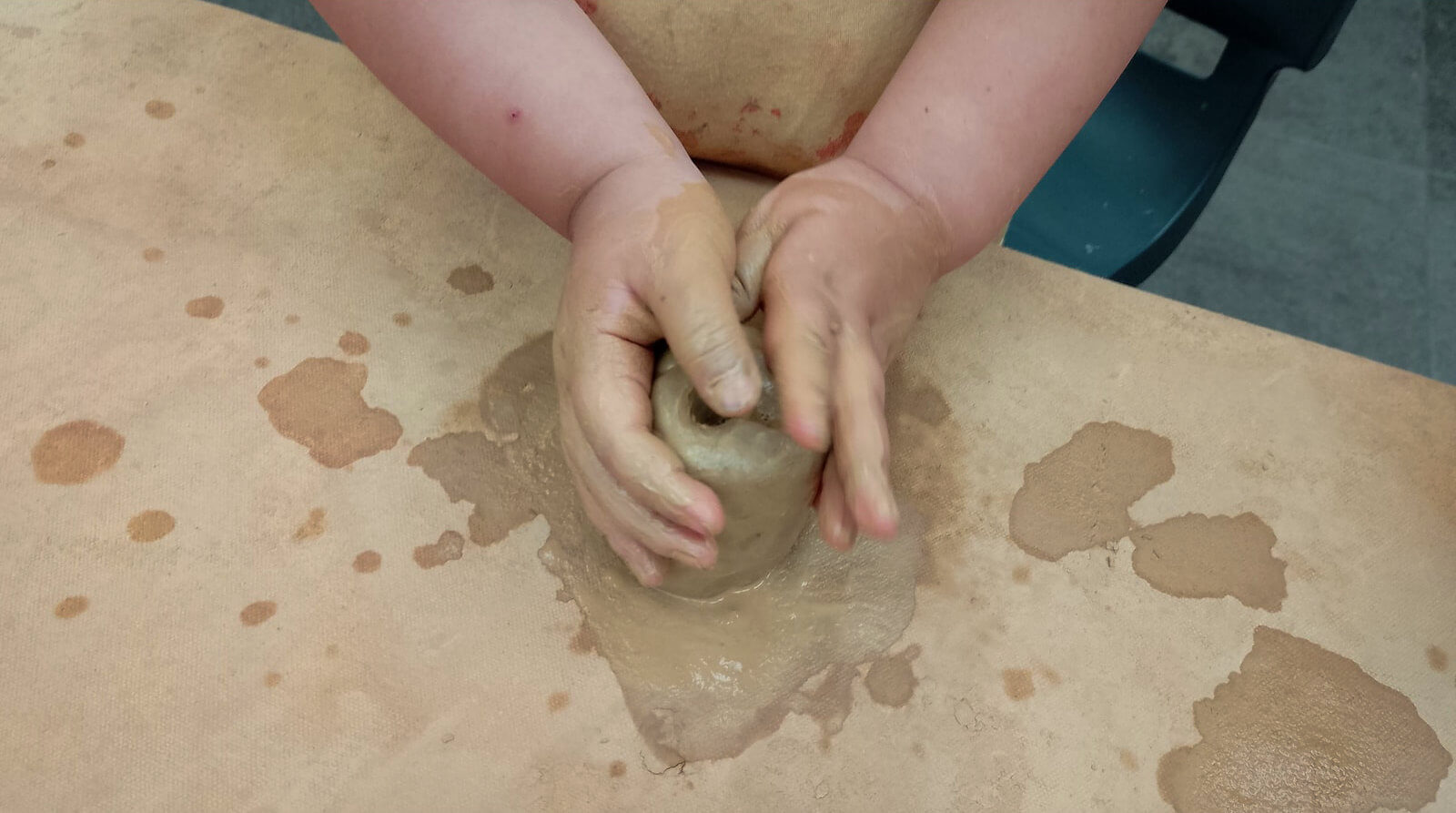
- Mud play for sensory development and creative expression
- Weather observation for scientific inquiry
Hot Weather Adaptations:
- Early morning or late afternoon outdoor sessions
- Shaded area creation using natural materials
- Water play integration for cooling and learning
- Indigenous weather wisdom exploration
Building Environmental Stewardship
One of outdoor learning’s most important long-term benefits is developing children’s sense of environmental responsibility. When children develop emotional connections to natural places, they naturally want to care for them.
Simple stewardship activities include:
- Rubbish collection during nature walks
- Native plant growing for local wildlife habitat
- Water conservation practice and awareness
- Composting and recycling as natural cycle learning
The Social-Emotional Magic of Outdoor Learning
Beyond cognitive and physical benefits, outdoor learning creates unique opportunities for social-emotional development that indoor environments struggle to replicate. The combination of natural beauty, physical challenge, and group cooperation creates powerful conditions for emotional growth.
Building Resilience Through Natural Challenge
Outdoor environments naturally present appropriate challenges that help children develop resilience. Unlike artificial obstacles that adults create, natural challenges feel authentic and meaningful to children:
Physical challenges like climbing trees or balancing on logs help children understand their capabilities and limitations in realistic ways.
Problem-solving challenges like building shelters or creating waterways require persistence and creative thinking.
Social challenges like negotiating group projects with natural materials foster communication and cooperation skills.
The key difference from indoor challenges is that natural obstacles feel genuine rather than contrived, creating intrinsic motivation for persistence and problem-solving.
Emotional Regulation in Natural Settings
Research consistently demonstrates that natural environments support emotional regulation in ways that indoor spaces cannot match. The combination of calming natural sounds, varied textures, and open space creates optimal conditions for processing emotions and developing self-regulation skills.
For children who struggle with emotional regulation, outdoor learning environments often provide:
- Space to move and release physical tension without disturbing others
- Sensory input that calms rather than overwhelms nervous systems
- Natural beauty that inspires wonder and peace rather than anxiety
- Fewer artificial stimuli that can trigger sensory overload
Fostering Deep Friendships and Social Connection
The unstructured nature of outdoor play creates optimal conditions for authentic friendships to develop. Without predetermined roles or adult-directed activities, children must negotiate relationships and shared goals organically.
Outdoor learning environments support social development through:
- Collaborative problem-solving that requires genuine teamwork
- Shared wonder and discovery that creates bonding experiences
- Physical challenges that children help each other overcome
- Extended time periods that allow relationships to deepen naturally
Overcoming Common Concerns About Outdoor Learning
Despite overwhelming research support, many families and educators express concerns about outdoor learning approaches. These worries are completely understandable, and addressing them thoughtfully helps everyone make informed decisions about children’s learning environments.
Safety Considerations and Risk Management
The most common concern about outdoor learning relates to safety. However, research suggests that well-supervised outdoor learning environments may actually be safer than traditional indoor settings when proper risk management is implemented.
Effective outdoor learning programs address safety through:
- Higher adult-to-child ratios than typical indoor programs
- Comprehensive site assessments and ongoing safety monitoring
- Age-appropriate risk exposure that builds rather than undermines safety skills
- Clear boundaries and safety protocols that children understand and follow
Importantly, research shows that children who engage in appropriate risk-taking in supervised outdoor environments develop better risk assessment skills than those who are overly protected from natural challenges.
Weather and Comfort Concerns
Australian families often worry about sun exposure, heat, insects, and weather conditions. Quality outdoor learning programs address these concerns through:
Sun Safety:
- Appropriate timing of outdoor sessions (early morning, late afternoon)
- Shade structure creation using natural and artificial means
- Sun protective clothing and sunscreen protocols
- UV awareness education appropriate to children’s developmental levels
Weather Adaptations:
- Flexible scheduling that adapts to extreme weather conditions
- Appropriate clothing guidance for families
- Shelter options for comfort during extended outdoor sessions
- Weather as learning opportunity rather than obstacle
Academic Learning Concerns
Some families worry that outdoor learning might compromise academic preparation. However, research consistently demonstrates that outdoor learning enhances rather than detracts from academic outcomes:
Literacy Development:
- Rich vocabulary development through nature exploration and description
- Story creation inspired by outdoor experiences
- Environmental print awareness through signage and field guides
Mathematical Learning:
- Authentic measurement and counting opportunities in natural settings
- Pattern recognition in natural phenomena
- Spatial reasoning development through three-dimensional play with natural materials
Scientific Inquiry:
- Authentic hypothesis formation and testing through nature exploration
- Observation and documentation skills through nature study
- Understanding of systems and cycles through direct experience
The Future of Early Childhood Education: Embracing Nature’s Wisdom
As research continues to demonstrate the profound benefits of outdoor learning, we’re witnessing a global shift in early childhood education. The future belongs to approaches that honour children’s natural development while preparing them for an uncertain world.
Integration, Not Replacement
The goal isn’t to abandon indoor learning entirely but to create integrated approaches that recognise the unique gifts of both indoor and outdoor environments. Quality early childhood programs increasingly offer:
- Daily outdoor learning opportunities regardless of weather
- Indoor spaces that incorporate natural elements like plants, natural light, and organic materials
- Curriculum that bridges indoor and outdoor experiences through ongoing projects and investigations
- Educator training that supports outdoor learning implementation
Supporting Educator Development
One of the biggest challenges facing outdoor learning implementation is educator confidence and competence. Many early childhood professionals recognise the benefits of outdoor learning but feel unprepared to facilitate it effectively.
Quality professional development for outdoor learning includes:
- Hands-on experience in outdoor learning environments
- Risk assessment and management training specific to outdoor settings
- Curriculum integration strategies that connect outdoor experiences with learning outcomes
- Observation and documentation techniques for outdoor learning contexts
Family Engagement and Community Building
Successful outdoor learning programs recognise that families are essential partners in nature-based education. When families understand and support outdoor learning principles, children experience consistency between home and educational settings.
Effective family engagement strategies include:
- Regular communication about outdoor learning experiences and outcomes
- Family outdoor learning workshops that build confidence and skills
- Community events that celebrate nature connection and environmental stewardship
- Home extension activities that support outdoor learning goals
Conclusion: Answering Nature’s Call
As we watch children transform in outdoor learning environments, we’re reminded daily that nature isn’t just a pleasant addition to education—it’s fundamental to healthy human development. Children who learn outdoors don’t just acquire knowledge; they develop wisdom, resilience, and a deep sense of connection to the world around them.
The research is crystal clear: outdoor learning benefits children’s physical health, cognitive development, social-emotional wellbeing, and environmental consciousness in ways that indoor-only education simply cannot match. From Australian bush kindergartens to Scandinavian forest schools, children around the world are thriving when we trust nature’s wisdom as a teacher.
The transformation we witness is profound:
- Children who struggle with attention in traditional classrooms become focused investigators when exploring natural environments
- Shy children find their voices through the gentle encouragement of natural beauty
- Anxious children discover calm in the rhythm of natural cycles
- All children develop confidence through authentic challenges and real accomplishments
At Hopskotch Kindergarten, we’ve seen firsthand how outdoor learning transforms not just children’s educational experiences but their entire relationship with learning itself. When children associate education with wonder, discovery, and joy rather than compliance and performance, they develop the intrinsic motivation that serves them throughout life.
The future of early childhood education lies not in more technology or more academic pressure but in reconnecting with the timeless wisdom of learning through direct experience in natural environments. Every child deserves access to nature’s classroom—a space where curiosity is honoured, questions are welcomed, and learning happens through the joy of discovery.
As families and educators, we have the opportunity to give children something precious: the understanding that they are part of the natural world, not separate from it. This connection doesn’t just support their development; it may well be essential for the future of our planet.
What natural discoveries will your child make today?
At Hopskotch Kindergarten, our inquiry-based approach embraces outdoor learning as fundamental to healthy development. We believe that nature provides the richest, most engaging classroom for young minds. Through research-based practices that honour children’s natural curiosity and connection to the environment, we support the development of confident, creative, and environmentally conscious learners. If you’d like to explore how our nature-rich programs can support your child’s growth and love of learning, we’d love to share more. Contact us at [email protected] or [email protected].