A loving guide for parents navigating the digital world with young hearts and minds
The Loving Struggle Every Parent Knows
Picture this: It’s 4 PM on a Tuesday afternoon, and you’re trying to prepare dinner while your three-year-old tugs at your leg, asking for “tablet time” for the fourth time today. Sound familiar? You’re not alone in this daily dance between wanting to nurture your child’s development and needing those precious moments of peace that screens can provide.
As early childhood educators who’ve spent years observing how children learn and grow, we see this struggle in families every single day. Parents arrive at our centres sharing the same concerns: “Am I giving them too much screen time? Is it harming their development? But how else can I manage everything?”
Here’s what we want you to know straight away: You’re not failing as a parent if screens are part of your family’s life. In today’s digital world, the question isn’t whether to eliminate screens entirely—it’s about finding that sweet spot where technology serves your family without overwhelming the natural wonder that drives your child’s development.
This is where the beautiful concept of “green time” comes in. Just as we’ve learned to be mindful about screen time limits for children, research is showing us that intentional time in nature—whether it’s your backyard, a local park, or even a few plants on the windowsill—can be the gentle antidote to our screen-saturated world.
Today, we’ll explore what current research tells us about young children and screens, celebrate the incredible benefits of nature connection, and most importantly, share practical, loving ways to create balance in your home. Because every child deserves both the benefits of thoughtful technology use and the irreplaceable magic of the natural world.
The Reality Check: What Research Tells Us About Little Ones and Screens
Let’s start with some eye-opening numbers that might surprise you. According to the 2025 Common Sense Media Report, 40% of two-year-olds now own their own tablet. Yes, you read that correctly—toddlers who are just learning to speak in full sentences are becoming device owners.
The statistics paint a picture that many families will recognise:
- Children aged 8-12 now average around 5.5 hours of daily screen use (excluding school assignments)
- Only 25% of children meet the recommended one-hour daily screen time limit
- Nearly 80% of young people aged 10-17 who spend extended time on devices report experiencing eye discomfort
- The average person today spends nearly 90% of their time indoors
But here’s what we want you to understand: these numbers aren’t meant to make you feel guilty. They’re simply the reality of raising children in 2025, and acknowledging this reality is the first step towards making intentional choices for your family.
Why the Early Years Matter Most
The first three years of a child’s life represent the most critical period for brain development. During this time, a child’s brain forms over 1,000 neural connections every second. Every experience—including screen time—literally shapes how their brain develops.
Recent research published in Psychological Bulletin analysed 117 studies and found that excessive screen time in children under 10½ years was linked to increased anxiety, depression, hyperactivity, and aggression. But here’s the nuanced part that many headlines miss: the research also showed that extremely low screen time was associated with worse mental health scores too.
This tells us something beautiful and reassuring: balance is the key, not perfection.
The Emotional Landscape
What touches our hearts most deeply is understanding how screens can become emotional crutches for our little ones. Dr. Vasconcellos from the University of New South Wales explains: “In many cases, children who are already struggling emotionally turn to screens, especially video games, as a way to cope or escape. While that might offer short-term relief, over time it can trap them in a cycle that reinforces those emotional difficulties.”
This doesn’t make screens inherently bad—it makes them tools that require our loving guidance and boundaries.
The Hidden Costs: When Screens Replace Wonder
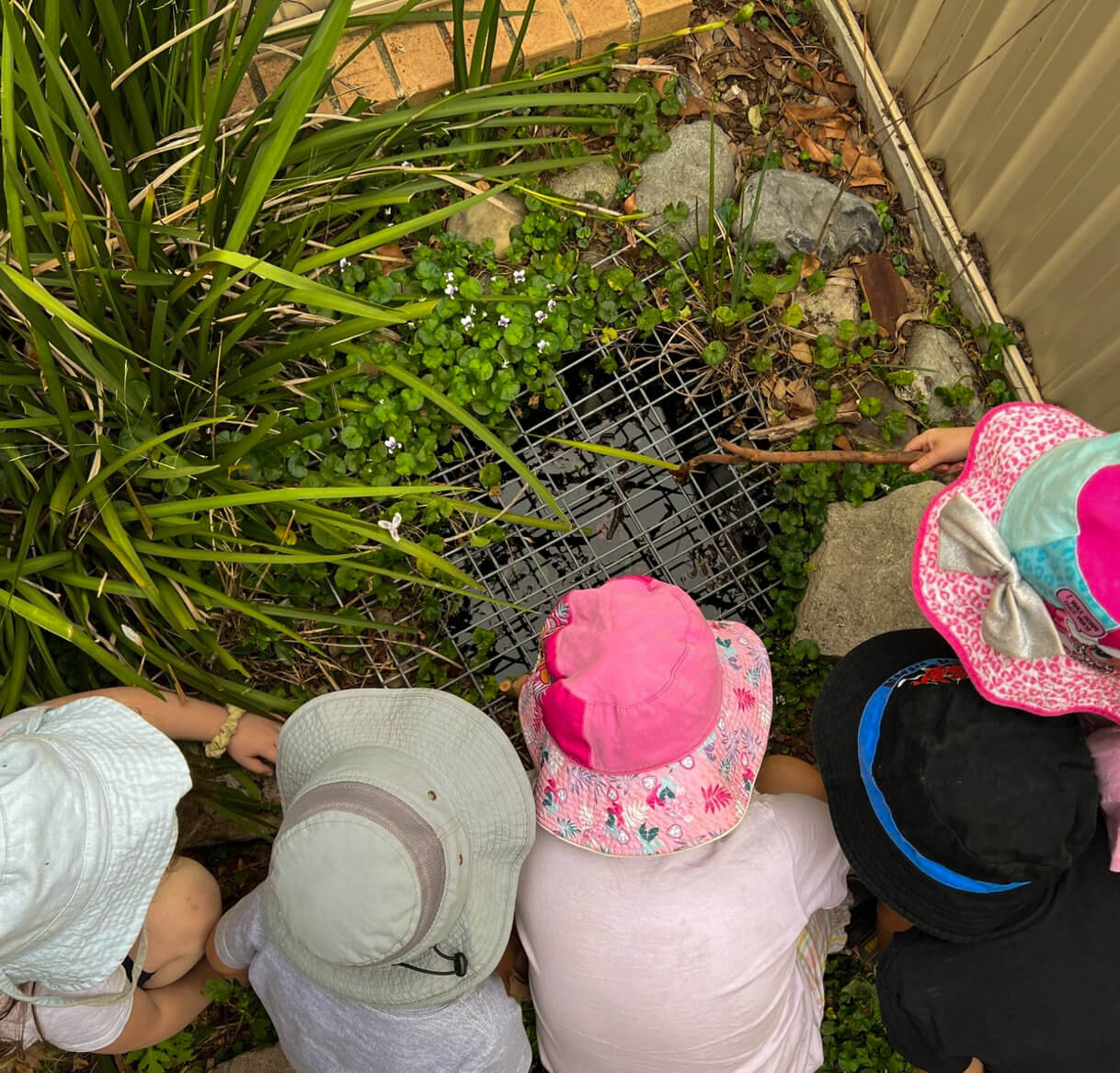
When we spend our days with young children, we notice subtle changes that research is only beginning to quantify. There’s something about a child who’s spent hours on a screen that’s different from one who’s been building fairy houses in the garden or watching ants march across a path.
Physical Changes We Can See
The physical impacts of excessive screen time are becoming increasingly visible:
- Eye strain and discomfort affecting nearly 80% of children who use devices extensively
- Sleep disruption from blue light exposure, with over 50% of people using screens within an hour of bedtime experiencing sleep difficulties
- Sedentary behaviour contributing to rising childhood obesity rates
- Delayed motor skill development from reduced physical activity
The Invisible Emotional Costs
What concerns us more as educators are the less visible impacts:
Reduced emotional regulation: Children who rely heavily on screens for entertainment often struggle more with disappointment, boredom, and transitions. They haven’t had as many opportunities to develop their internal resources for managing big feelings.
Decreased tolerance for “boring” moments: Those seemingly dull moments—waiting in a queue, sitting in the car, quiet time before sleep—are actually precious opportunities for imagination, self-reflection, and inner peace to develop.
Limited social skill practice: While educational apps can teach letters and numbers, they can’t teach the nuanced art of reading facial expressions, negotiating with a friend, or learning to share and take turns.
When Wonder Gets Crowded Out
Perhaps most heartbreaking is watching a child’s natural curiosity get overshadowed by the instant gratification of screens. That innate drive to explore, question, and discover—what we call inquiry-based learning—needs space and time to flourish.
We’ve seen children who can navigate a tablet expertly but struggle to notice the changing seasons, who know digital games inside-out but have never experienced the simple joy of making mud pies or collecting interesting leaves.
Nature’s Gift: The Science Behind Green Time
Now for the wonderful news: nature is incredibly generous in healing and supporting young minds. The research on children and nature connection is so compelling that it’s transforming how we think about child development.
The Brain Science of Green Time
A groundbreaking study from New Zealand found that spending time around the colour green—from walks outside to plants in the classroom—can help reverse the negative effects of screen time. Children with higher amounts of “green time” showed increased self-efficacy, positive identity, and decreased anxiety, regardless of their screen time levels.
Even more remarkably, research has found that children who grew up in greener spaces had increased volume in the areas of the brain that deal with memory and attentiveness. Nature literally helps children’s brains grow stronger.
The Emotional Benefits That Touch Our Hearts
The mental health benefits of nature connection are profound:
- Reduced anxiety and stress: Children living in greener environments consistently show better mood regulation
- Enhanced self-esteem and confidence: The unstructured nature of outdoor play builds resilience
- Improved attention: Studies show significant improvements in working memory and attention span
- Greater emotional resilience: Nature experiences help children cope with adverse experiences
Research published in the Journal of Environmental Psychology found that children from low-income neighbourhoods who participated in nature-based art programs showed remarkable improvements in confidence, self-esteem, and sense of agency.
The Social and Physical Advantages
Improved social skills: Outdoor play naturally encourages cooperation, negotiation, and conflict resolution in ways that structured indoor activities simply can’t match.
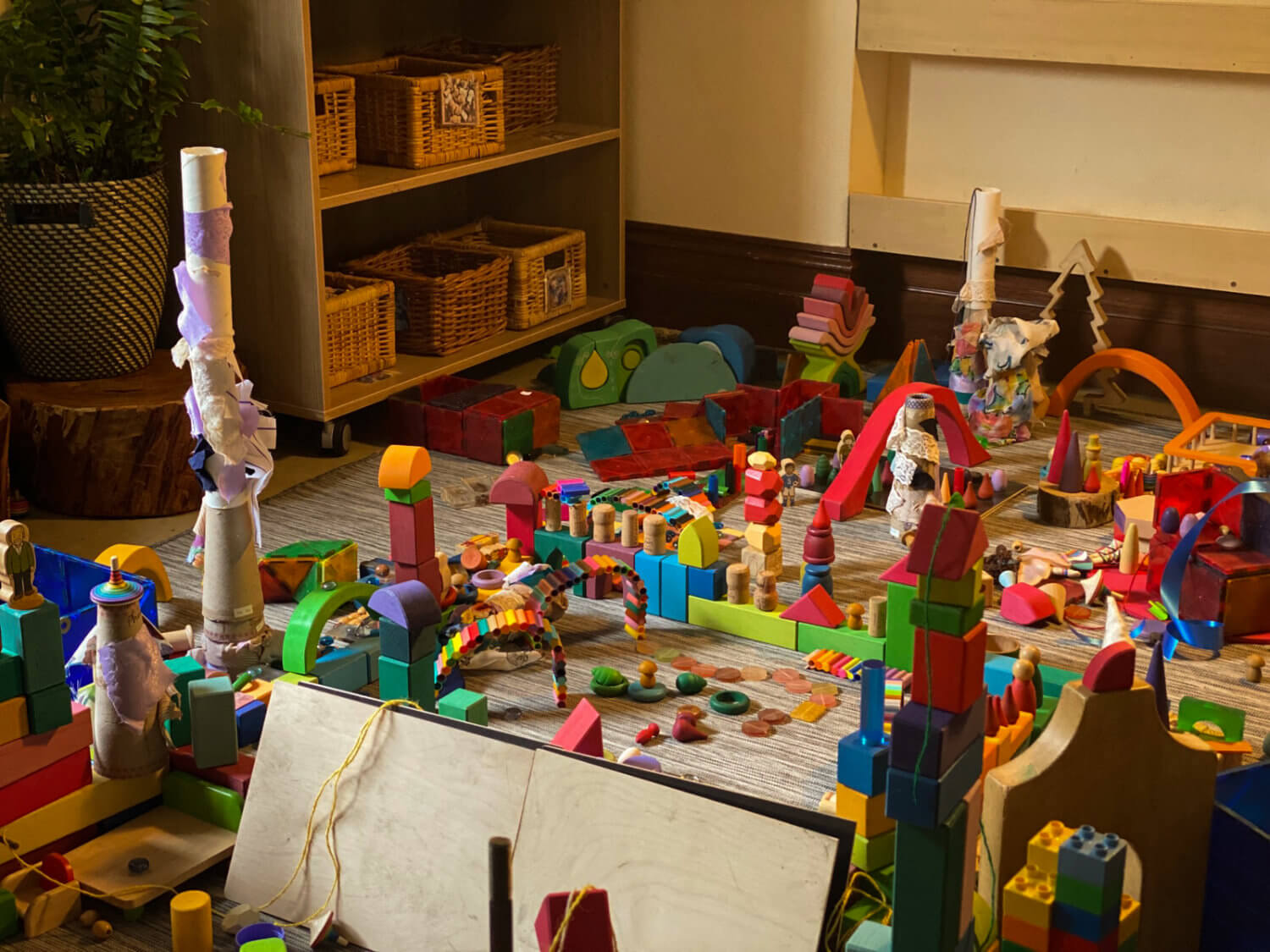
Enhanced creativity: Natural materials like sticks, leaves, stones, and dirt inspire endless imaginative possibilities. There’s no “right” way to play with a handful of autumn leaves or a puddle after rain.
Better physical health: Beyond the obvious benefits of increased activity, children who spend time outdoors show strengthened immune systems, better sleep patterns, and reduced inflammation markers.
Environmental stewardship: Children who connect with nature early develop a lifelong love and respect for the environment.
The Magic of Unstructured Play
What we find most beautiful about outdoor play is its unstructured nature. Unlike apps or games with predetermined outcomes, nature offers infinite possibilities. A child might spend an hour investigating how water flows around rocks in a creek, and in doing so, they’re naturally exploring physics, problem-solving, and developing patience—all while following their own curiosity.
This is what we mean by inquiry-based learning—allowing children’s natural questions and interests to guide their exploration and discovery.
The Sweet Spot: Creating Healthy Balance in Your Home
The goal isn’t to eliminate screens entirely or to feel guilty about the role they play in your family life. Instead, it’s about creating intentional patterns that honour both your practical needs and your child’s developmental ones.
Age-Appropriate Guidelines with Love and Flexibility
While experts recommend limiting screen time for children under 18 months (except for video chatting), and no more than one hour of high-quality programming for children 2-5 years, we know that real family life is more nuanced.
Here’s our gentle approach:
- Under 18 months: Focus on real-world exploration, but don’t stress about the occasional FaceTime call with grandparents
- 18 months to 2 years: If you do use screens, watch together and talk about what you’re seeing
- 2-5 years: Aim for that one-hour guideline most days, but be flexible during illness, long car trips, or particularly challenging periods
The quality matters more than the quantity. Fifteen minutes of high-quality, educational content watched together can be more valuable than an hour of passive entertainment.
Making the Transition Gentle
Moving from screen time to other activities doesn’t have to involve tears and tantrums. Here are some strategies that work:
Give warnings: “In five minutes, we’ll turn off the tablet and go outside to see if the birds are in our garden.”
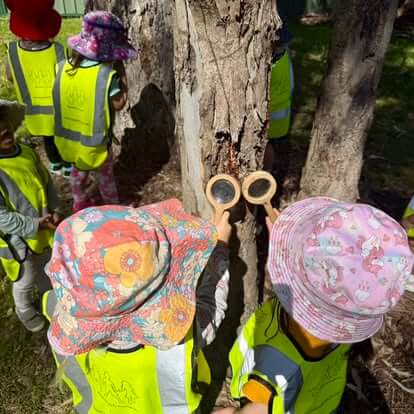
Create appealing alternatives: Have a special outdoor box with magnifying glasses, collecting containers, and other treasures ready to go.
Bridge the interests: If your child loves a particular show about animals, suggest looking for real insects or birds outside.
Make it special, not punitive: Frame outdoor time as an adventure, not as the end of fun.
Family Media Plans That Actually Work
Create simple agreements that everyone can understand:
- Screen-free zones: Keep bedrooms and dinner tables device-free
- Screen-free times: The hour before bedtime and the first hour after waking
- Earn green time: For every hour of screen time, spend 30 minutes outside
- Weather isn’t an excuse: Have indoor nature activities ready for rainy days
Remember: consistency with flexibility. Having clear expectations helps children feel secure, but allowing exceptions for special circumstances teaches them that rules can be thoughtful rather than rigid.
Practical Magic: Simple Ways to Boost Green Time
The beauty of increasing green time is that it doesn’t require expensive equipment or elaborate planning. Some of our favourite nature connections can happen in the smallest spaces and shortest timeframes.
Indoor Nature Connections for Any Weather
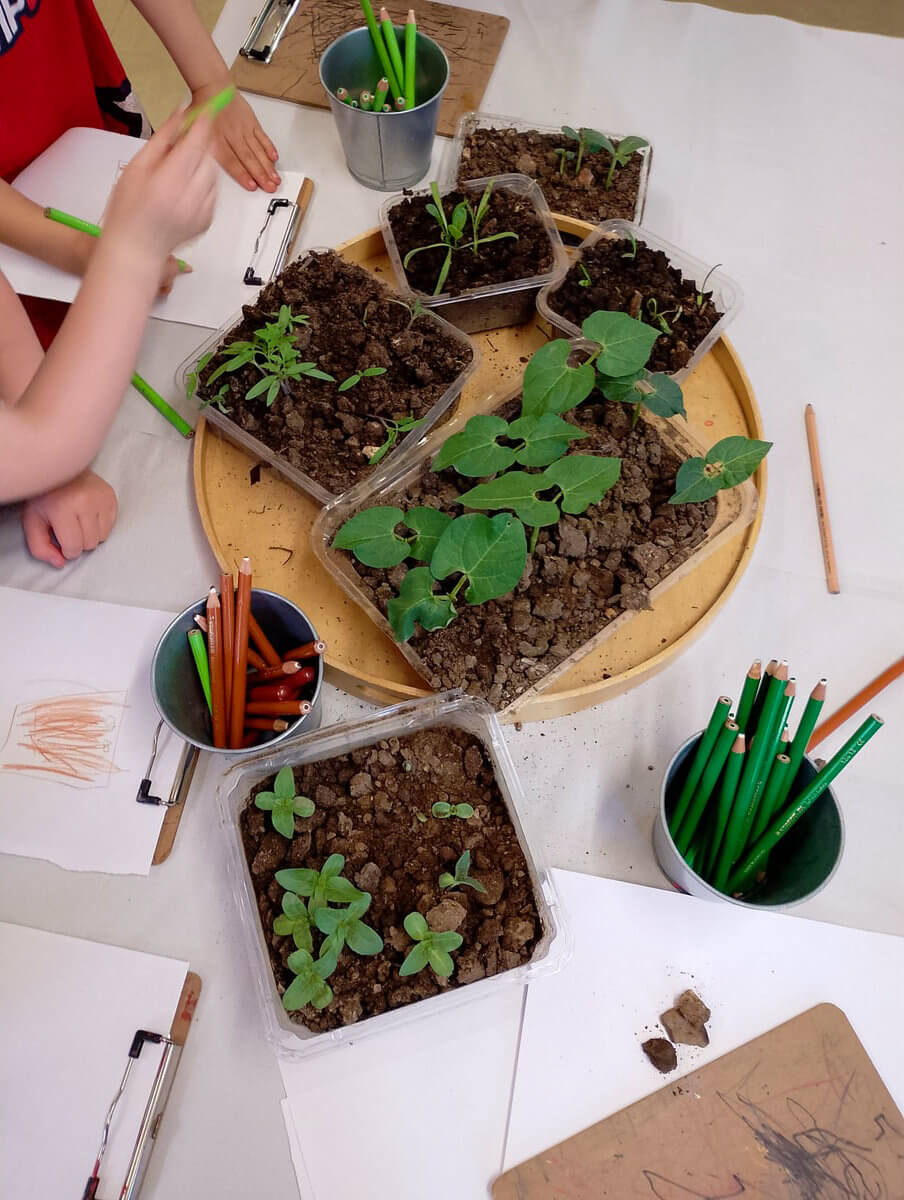
- Window gardens: Even a few herbs on a windowsill provide daily opportunities to observe growth, smell different scents, and care for living things
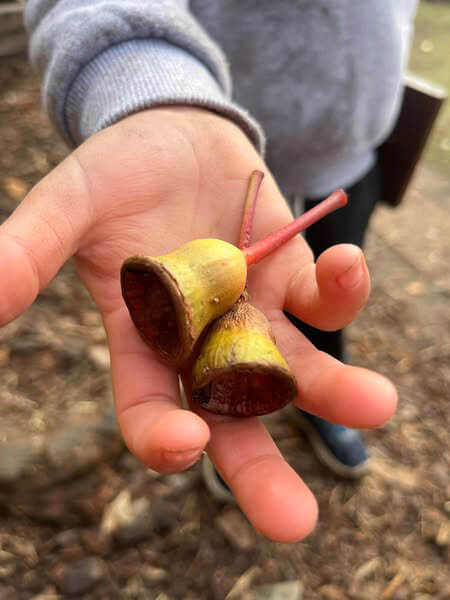
- Nature collections: Gather interesting stones, shells, or leaves and let children explore them with magnifying glasses
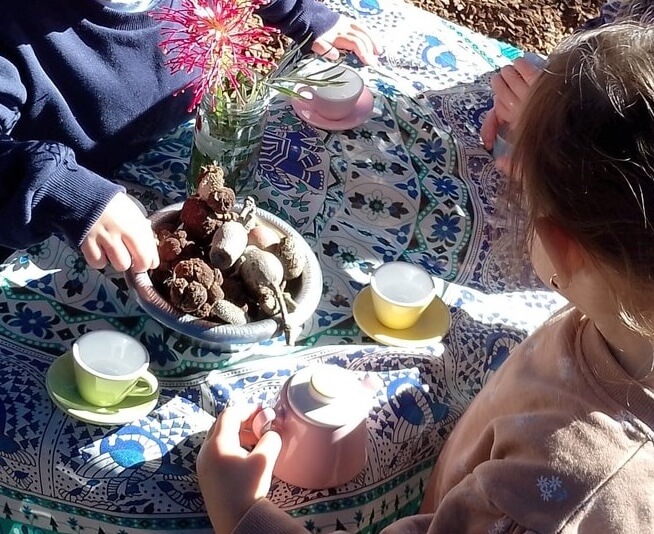
- Indoor picnics: Spread a blanket on the floor and eat lunch while listening to bird sounds or nature documentaries
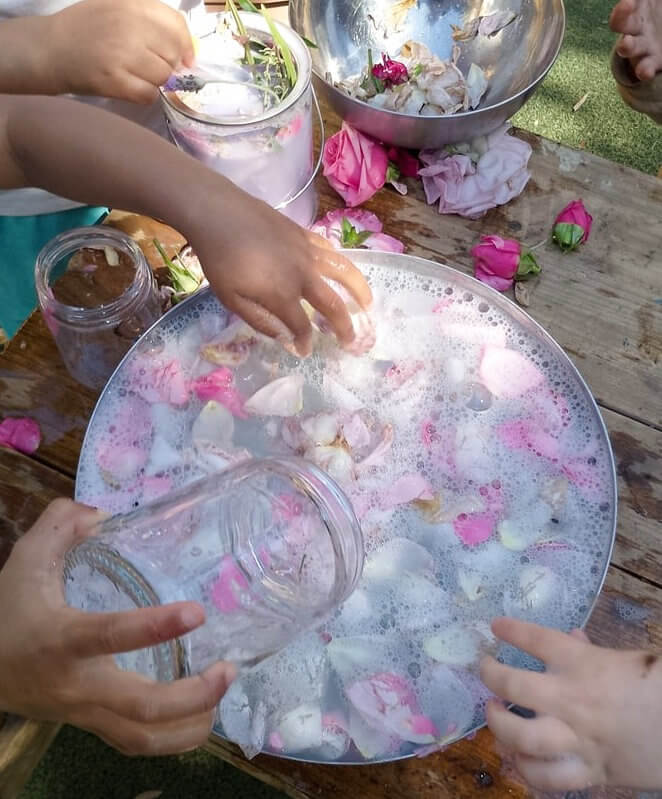
- Sensory bins: Fill containers with natural materials like sand, rice, or dried beans for exploration
15-Minute Nature Breaks That Transform Days
Sometimes the most powerful nature connections happen in tiny moments:
- Morning bird watching: Step outside for just five minutes to listen and look for birds
- Weather observations: What does the air feel like today? How do the clouds look?
- Plant care: Watering plants or checking on a small garden
- Texture walks: Even walking to the letterbox can become an exploration of different surfaces under feet
Nature-Based Activities That Develop Inquiry Skills
Remember, we’re not just getting children outside—we’re nurturing their natural curiosity:
- Question collecting: “I wonder why this leaf is red when that one is green?”
- Prediction games: “What do you think will happen if we put this stick in the water?”
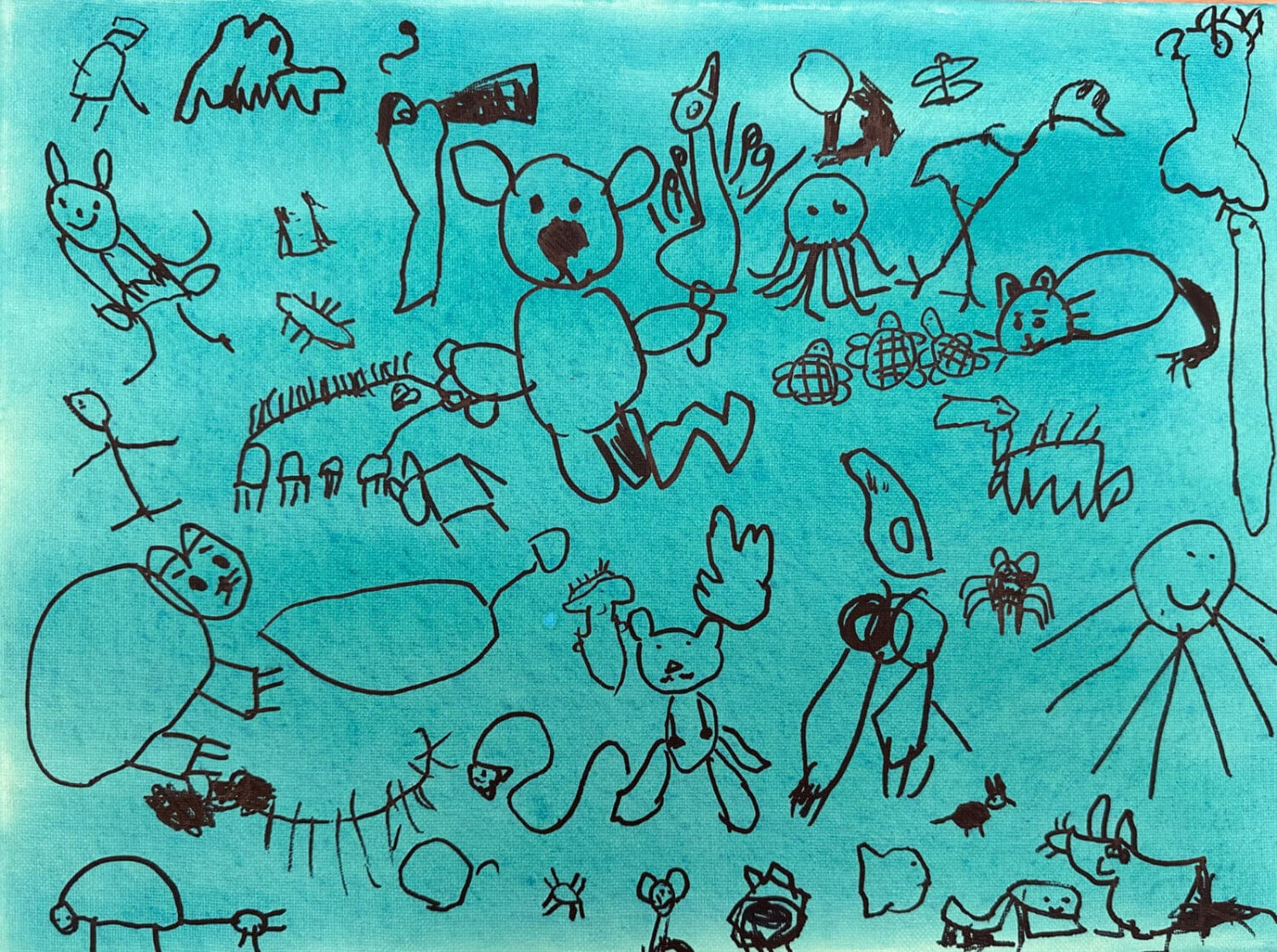
- Nature journaling: Drawing or talking about what they notice outdoors
- Seasonal investigations: Following how the same tree or garden bed changes throughout the year
Building Community Connections
Local parks and gardens: Most communities have wonderful green spaces waiting to be explored
Nature playgroups: Many areas offer outdoor playgroups or bush kindergarten programs
Community gardens: Some allow families to help with simple tasks
Library nature programs: Many libraries offer outdoor story times or nature craft sessions
Conclusion: Growing Hearts and Minds in Balance
As we watch children in our care navigate this digital world, we’re reminded daily that the goal isn’t perfection—it’s intention. Every small choice you make towards balance matters more than you might realise.
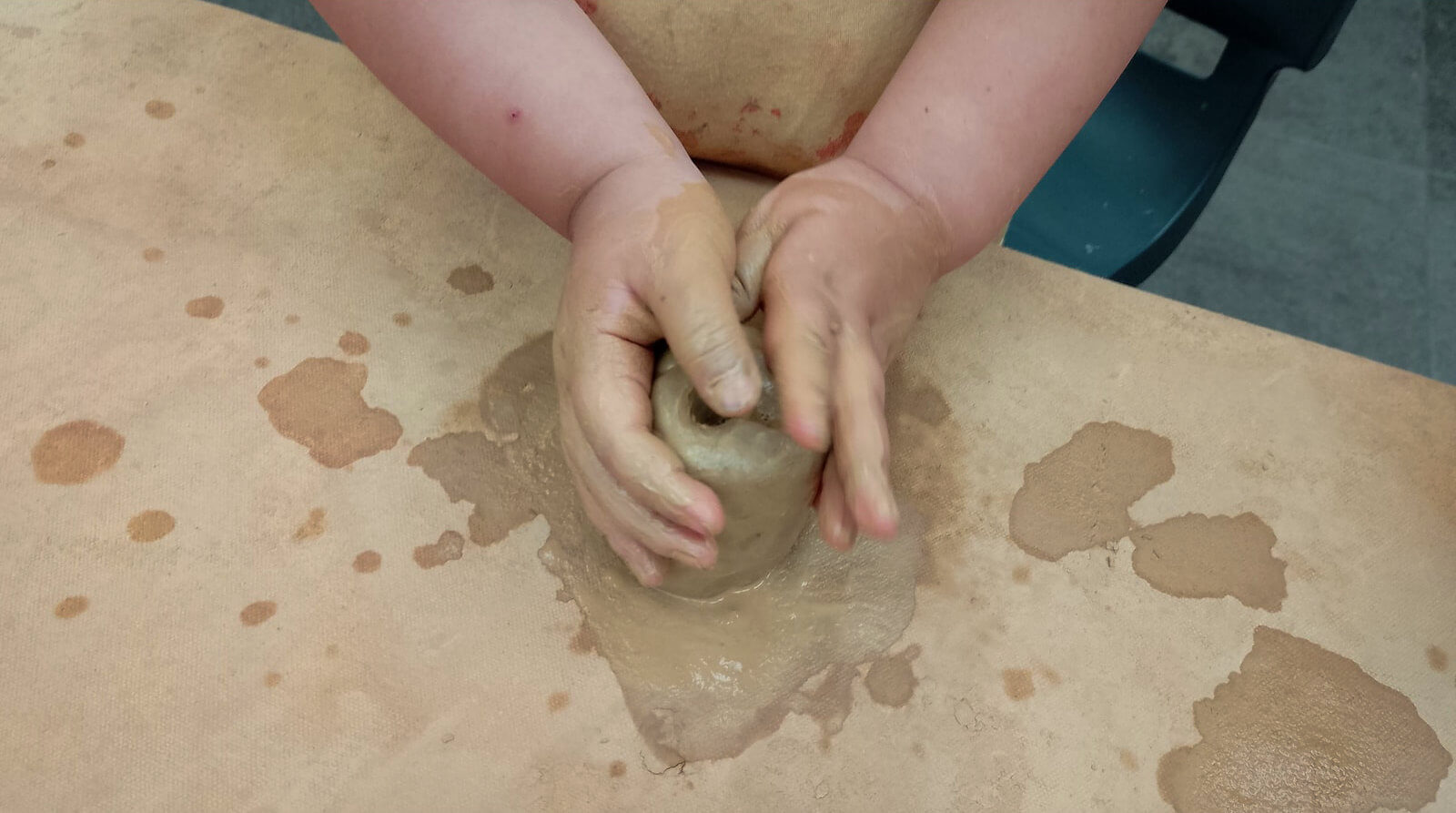
The child who knows how to find wonder in a butterfly’s flight is developing the same curiosity that will serve them in understanding complex concepts later. The child who can entertain themselves for ten minutes watching ants is building attention skills that no app can replicate. The child who has felt soil between their fingers understands textures and natural processes in ways that complement and enrich their digital learning.
You don’t need to transform your entire lifestyle overnight. Start with one small step: perhaps it’s a five-minute morning walk, a few plants for your kitchen windowsill, or simply noticing one thing in nature each day with your child.
Remember that in this beautiful balance between screen time and green time, you’re not just managing your child’s activities—you’re helping them develop a lifelong relationship with both technology and the natural world. You’re teaching them that screens can be wonderful tools when used thoughtfully, and that the world outside is endlessly fascinating and worthy of exploration.
The research is clear: children need both digital literacy and nature connection to thrive in our modern world. By holding space for both with intention and love, you’re giving your child tools for a lifetime of learning, wonder, and wellbeing.
Most importantly, trust yourself. You know your child better than any expert or study. Use the research as a guide, but let your love and understanding of your unique little person lead the way.
What’s one small step towards more green time that feels exciting for your family today?
At Hopskotch Kindergarten, we believe in nurturing the whole child through research-based practices, nature connection, and inquiry-based learning. If you’d like to explore how our approach supports your child’s natural development, we’d love to chat. Contact us at [email protected] or [email protected].