A research-based guide to nurturing your child’s natural wonder and love of learning
The Beautiful “Why” Years
“Why is the sky blue? Why do flowers smell nice? Why can’t I fly like a bird? Why, why, why?”
If you’re living with a young child, this symphony of questions probably sounds beautifully familiar. You might find yourself smiling at their endless curiosity one moment, then feeling slightly overwhelmed by the 47th “why” question before breakfast the next. And that’s perfectly normal.
Here’s what we want you to know as early childhood educators who witness this magical phase every day: your child’s questions are not interruptions to learning—they ARE the learning. Every “why” represents a mind actively trying to make sense of the world, a brain forming crucial connections, and a little scientist conducting their own research into how life works.
Yet somewhere along the way, many children stop asking questions. Research shows us something quite heartbreaking: by the time children reach fifth grade, they might go an entire school day without asking a single question driven by genuine curiosity. The very thing that makes them such brilliant learners—their natural desire to understand—gradually fades.
But it doesn’t have to be this way.
The art of developing curiosity in children isn’t about having all the answers. It’s about creating an environment where questions are treasured, where “I don’t know, let’s find out together” becomes a family motto, and where wonder is treated as the precious gift it truly is.
Today, we’ll explore what cutting-edge research tells us about children’s questioning minds, share practical strategies for nurturing their curiosity, and discover how this natural drive to ask “why” becomes the foundation for lifelong learning and critical thinking.
Because in a world that changes rapidly, the ability to ask good questions and seek answers with joy will serve your child far better than memorising any set of facts.
The Science of Little Minds: What Research Tells Us About Curiosity
The research on children’s natural curiosity is both fascinating and sobering. Scientists have discovered that curiosity isn’t just a charming childhood trait—it’s a sophisticated learning mechanism that literally changes how the brain functions.
The Curiosity Crisis in Education
Here are some statistics that might surprise you:
Children’s natural questioning behaviour drops dramatically as they enter formal education. Research conducted in classrooms found that curious children who asked endless questions at home might have only 2-5 curiosity episodes during a two-hour period at kindergarten. By fifth grade, self-generated questioning becomes almost completely absent, with children experiencing zero to two episodes per school day.
Think about that for a moment: children who naturally ask dozens of questions at home might spend seven hours in an educational setting without asking even one question driven by genuine curiosity.
The Brain Science of Wonder
But here’s the exciting part: neuroscience research reveals exactly why questions are so powerful for learning. When children experience curiosity, their brains release dopamine—the same chemical associated with pleasure and reward. This dopamine release makes the hippocampus (the brain’s memory centre) function more effectively.
The result? Children remember the answers to questions they were curious about for up to two weeks longer than information they weren’t particularly interested in learning.
Dr. Matthias Gruber’s research team found that when elementary school children read books about topics they were already wondering about, they learned significantly more information, picked out more details, and retained what they learned for much longer periods.
This tells us something profound: curiosity doesn’t just make learning more enjoyable—it makes it more effective.
Two Types of Curiosity in Little Learners
Researchers have identified two distinct types of curiosity that we can observe in young children:
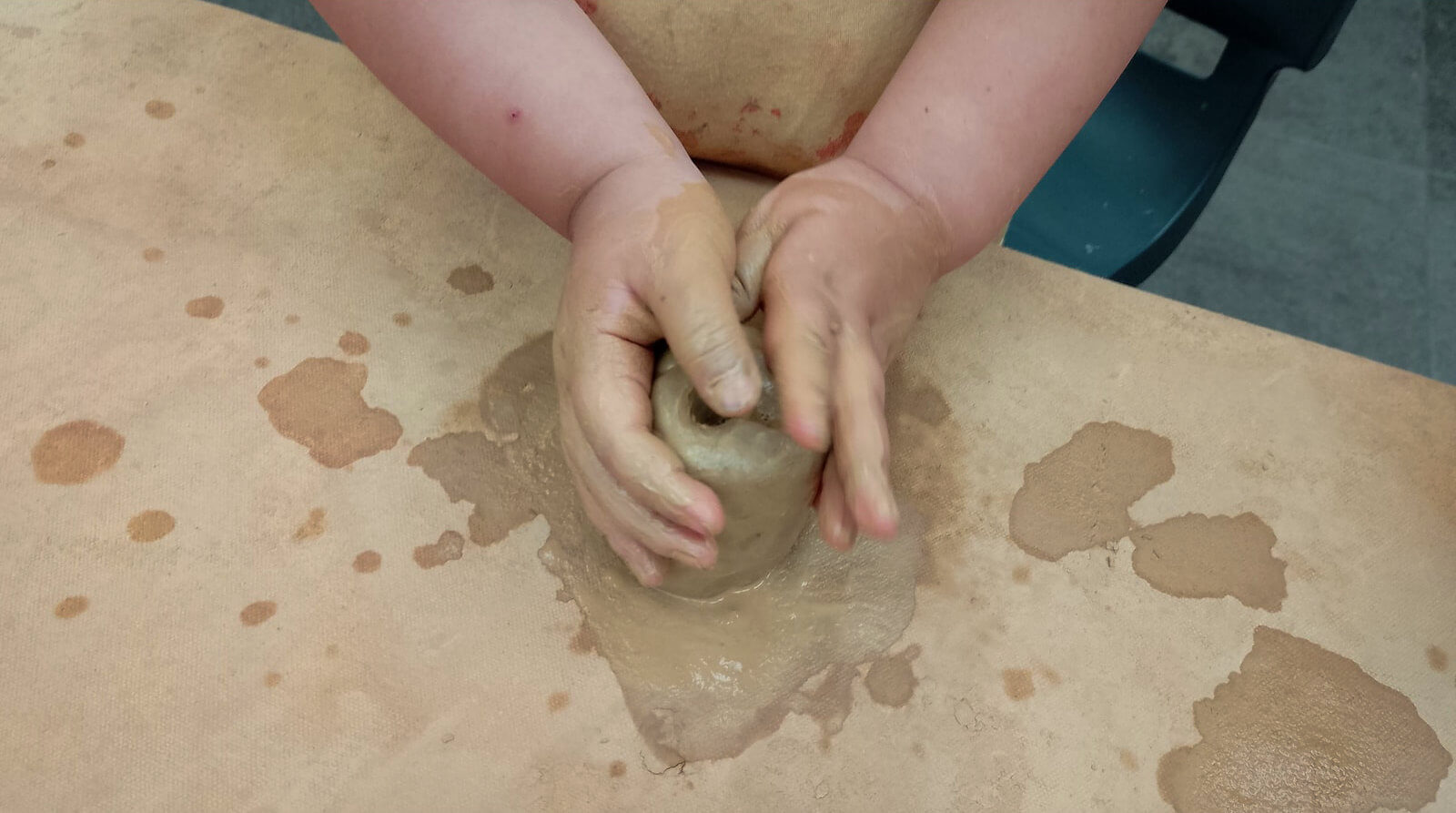
Perceptual Curiosity: This is the drive for increased sensory exploration of objects and situations. You see this when your toddler must touch everything, taste whatever they can reach, and explore the world through all their senses. This basic form of curiosity is present in both humans and animals and represents our most fundamental drive to understand our environment.
Epistemic Curiosity: This relates to the search for knowledge and understanding. It’s the “indirect exploration via asking questions and direct thinking.” This is the curiosity behind those endless “why” questions—the drive to understand not just what something is, but how it works and why it matters.
Both types of curiosity are essential for healthy development, and both can be nurtured through thoughtful interactions and environments.
The Critical Window
Perhaps most importantly, research confirms that early childhood represents the most critical period for curiosity development because the brain is at its most malleable and impressionable. The experiences children have with questioning and exploration during these years quite literally shape how their brains develop.
A recent three-year study from Griffith University found that while extrinsic motivation initially drives children’s interest, they naturally transition to intrinsic motivation as their curiosity deepens. The more interesting a topic became to a child, the more questions they would ask and the more independently they would seek answers, creating what researchers called “a cycle of repeated engagement and a culture of learning.”
This research validates what we observe every day: children are born to be curious, and with the right support, this curiosity becomes self-sustaining and joy-filled.
The Magic of “Why”: Understanding Your Child’s Question-Asking Journey
Understanding how children’s ability to ask questions develops can help us respond more thoughtfully and effectively. Like all aspects of development, question-asking follows a predictable and beautiful pattern.
The Developmental Timeline of Questions
Research has mapped out when different types of questions typically emerge:
24 months: Children begin asking “What?” questions. These might sound like “What dat?” as they point to objects, seeking to learn names and basic information about their world.
26-32 months: “Where?” questions emerge. “Where kitty go?” or “Where Daddy?” show children beginning to understand concepts of location and movement.
36-40 months: “Who?” questions develop. Children become fascinated with people and relationships: “Who’s that?” or “Who’s coming?”
42-49 months: The big ones arrive—”When?”, “Why?”, and “How?” questions. This is when children begin seeking explanations for the world around them, asking about causation, time, and complex relationships.
This progression reflects the beautiful complexity of developing minds. Each type of question represents new cognitive abilities coming online, new ways of thinking about and categorising experience.
Understanding Explanation-Seeking Curiosity
What researchers call “explanation-seeking curiosity” (ESC) is particularly fascinating. This type of curiosity is highly selective—it’s not triggered merely by ignorance or uncertainty. Instead, it’s sparked by specific cues:
First-person cues: When children encounter something novel or surprising that doesn’t match their expectations
Third-person cues: When they observe a trusted adult’s surprise or confusion about something
Future-oriented cues: When they anticipate that learning something will be valuable or interesting
Understanding these triggers helps us recognise that children’s questions aren’t random—they’re evidence of sophisticated thinking processes trying to make sense of the world.
When Questions Seem Endless
Sometimes it feels like children ask questions not because they want answers, but because they enjoy the interaction. And you know what? Sometimes that’s exactly right, and it’s perfectly appropriate.
Young children are learning that conversation is reciprocal, that questions are powerful tools for connection, and that adults are sources of fascinating information. When a child asks “Why?” to your explanation and then “Why?” to your next explanation, they might genuinely be seeking deeper understanding, or they might be enjoying this special focused time with you.
Both motivations are valid and important for their development.
Beyond “Because I Said So”: Responding to Questions That Build Curiosity
How we respond to children’s questions quite literally shapes whether they continue asking them. Research consistently shows that adult responses are the primary factor determining whether children maintain their natural curiosity or gradually learn to stop asking.
Phrases That Kill Curiosity vs. Phrases That Spark It
Instead of saying:
- “Because I said so”
- “You ask too many questions”
- “Not now, I’m busy”
- “You wouldn’t understand”
- “Just because”
Try these curiosity-building responses:
- “What an interesting question! I wonder…”
- “Let’s find out together”
- “What do you think might happen if…?”
- “I’ve never thought about that before”
- “That’s exactly the kind of question scientists ask”
The Power of “I Wonder” Statements
One of the most powerful tools for developing curiosity in children is modelling wonder yourself. When you say “I wonder why that bird keeps coming back to our garden” or “I wonder what would happen if we tried this differently,” you’re showing children that questioning is a lifelong, joyful activity.
Research from the National Association for the Education of Young Children suggests incorporating “I wonder” statements throughout your day:
- “I wonder what will happen next in this story”
- “I wonder why the ball rolled farther on that ramp”
- “I wonder how the ants know where to go”
- “I wonder what you’re thinking about”
When You Don’t Know the Answer
Here’s a liberating truth: not knowing the answer to your child’s question is actually the perfect opportunity to model lifelong learning.
Some of our favourite responses to challenging questions:
- “What a brilliant question! I don’t know—let’s investigate together”
- “That’s something I’ve always wondered about too”
- “Hmm, who do you think might know about that?”
- “Let’s see if we can figure it out”
- “I wonder if we could find the answer by watching carefully”
When children see adults approaching unknowns with excitement rather than embarrassment, they learn that learning is a collaborative, ongoing adventure.
Turning Questions into Exploration Opportunities
The most powerful responses to children’s questions often lead to hands-on exploration. If your child asks “Why do leaves change colour?” you might:
- Acknowledge the question: “What a beautiful question!”
- Share what you know: “I think it has something to do with the weather getting colder”
- Wonder together: “I wonder if we could find some leaves that are changing and some that aren’t and see what’s different”
- Plan exploration: “Let’s collect different leaves this week and see what we notice”
- Follow their lead: Let their observations guide where the investigation goes next
This approach validates their question, provides some information, and creates opportunities for deeper discovery.
Creating a Question-Rich Environment: Practical Strategies for Home
The physical environment and daily routines can either support or hinder natural curiosity. Here are research-backed strategies for creating a home that invites questions and wonder.
Setting Up Spaces That Invite Questioning
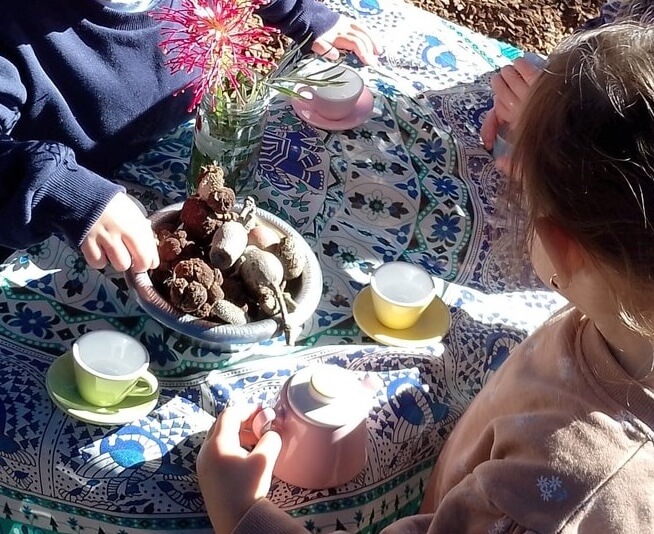
Nature tables: Create a dedicated space for interesting natural objects children can examine, sort, and wonder about. Rotate items seasonally—shells, interesting stones, leaves, seed pods, feathers.
Wonder walls: Dedicate wall space for children’s questions, discoveries, and ongoing investigations. Take photos of their explorations and display them alongside their wonderings.
Accessible materials: Keep magnifying glasses, measuring tools, clipboards, and simple science materials where children can reach them independently.
Books that prompt questions: Choose books that pose questions rather than simply providing information. Stories with mysteries, unusual situations, or incomplete information naturally invite wondering.
Open-Ended Materials That Spark Wonder
Research consistently shows that open-ended, natural materials support curiosity better than toys with predetermined functions:
- Natural materials: Sticks, stones, shells, leaves, sand, water
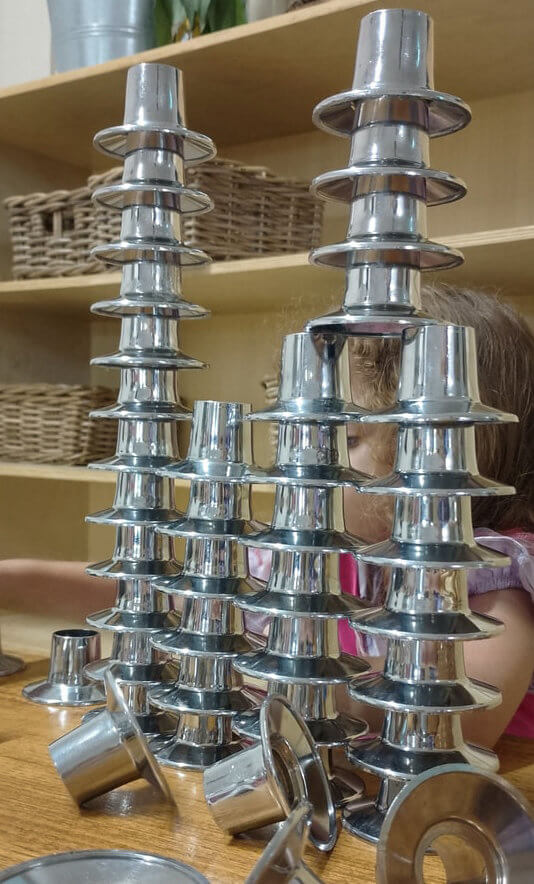
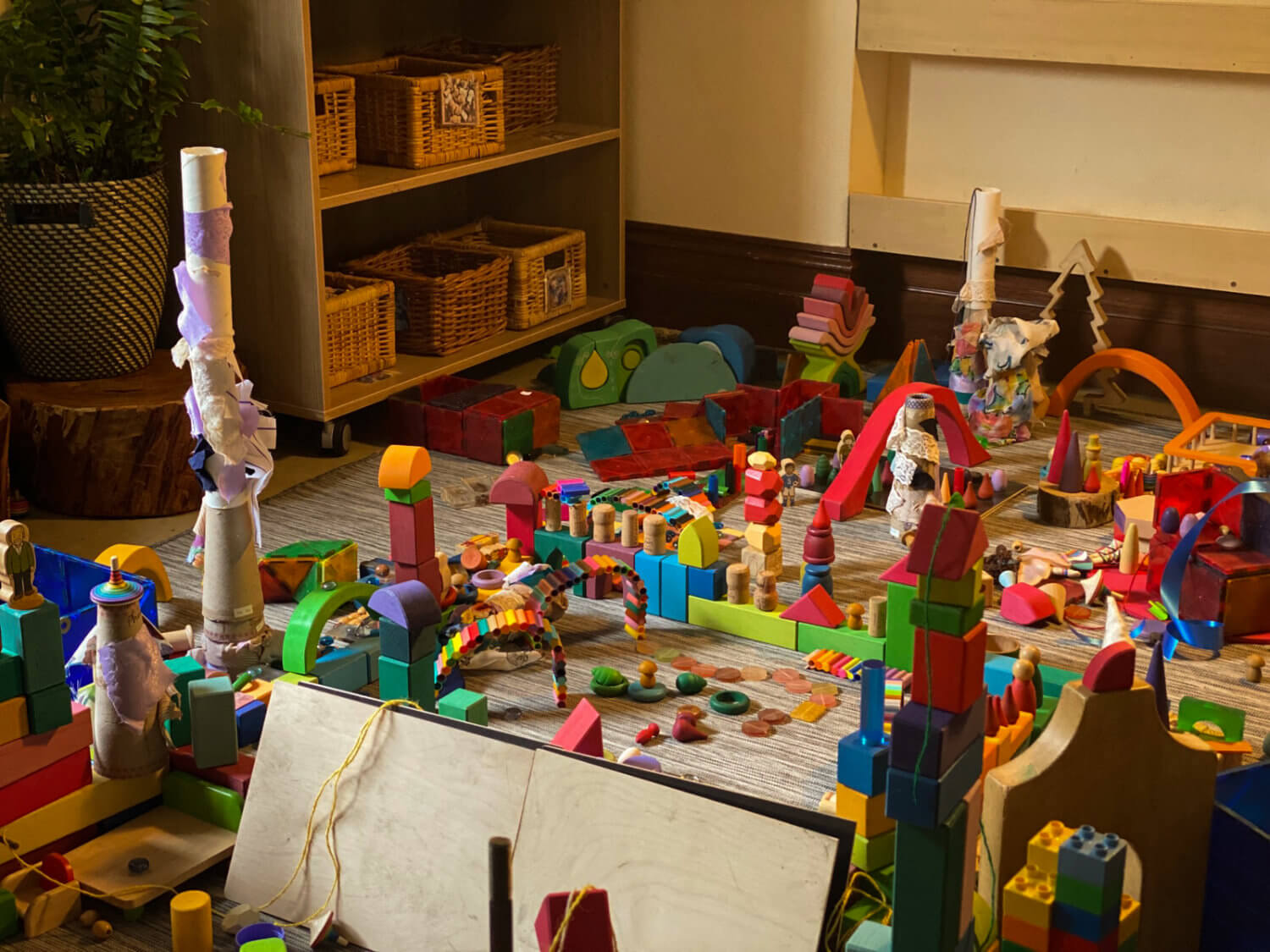
- Loose parts: Cardboard tubes, fabric scraps, wooden blocks, containers of various sizes
- Simple tools: Magnifying glasses, balance scales, measuring cups, clipboards
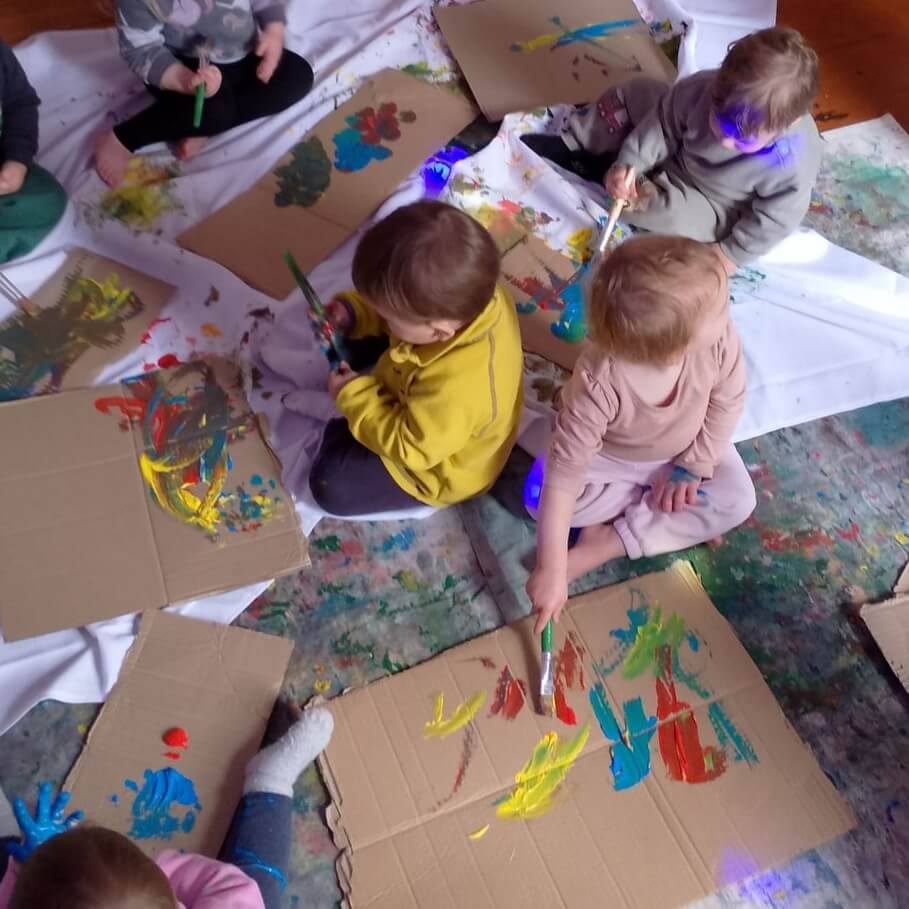
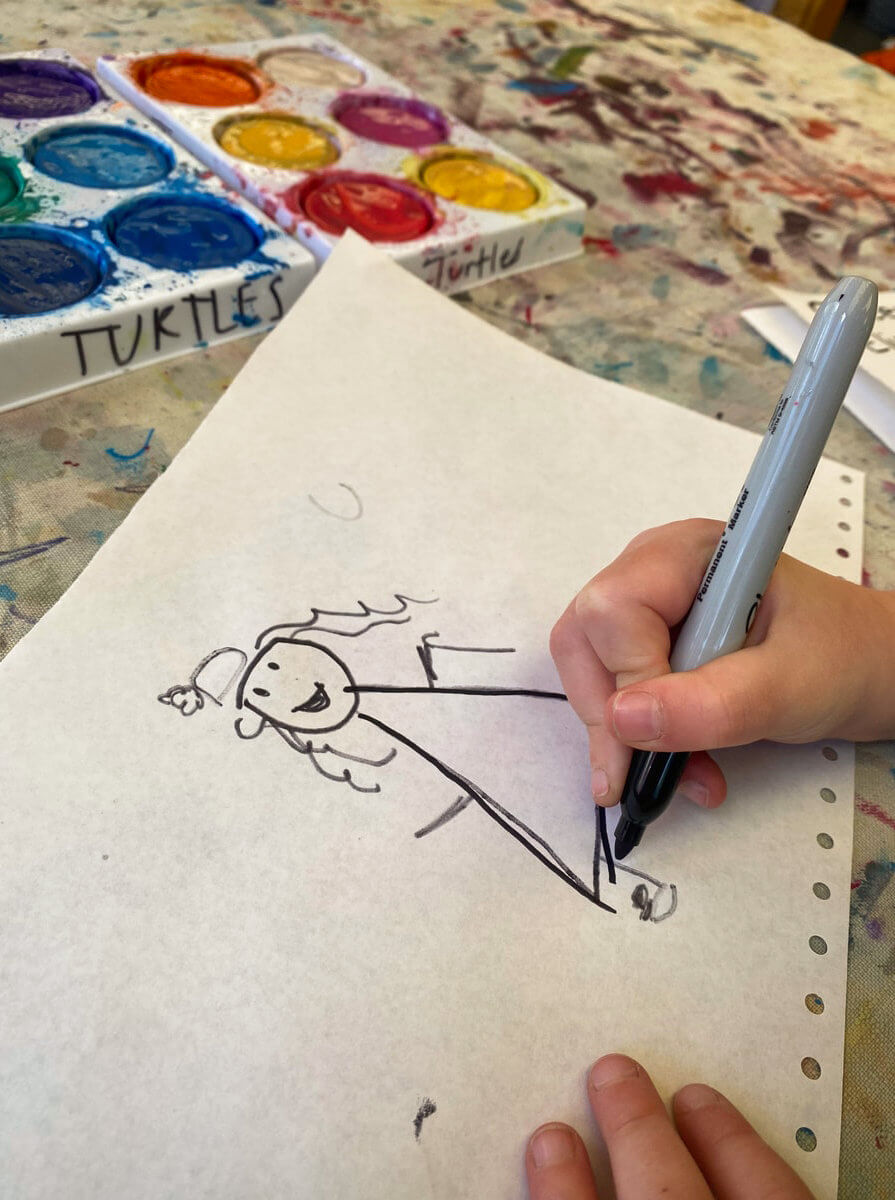
- Art supplies: Paper, pencils, clay, paint for documenting discoveries
These materials invite experimentation and questioning in ways that electronic toys often don’t.
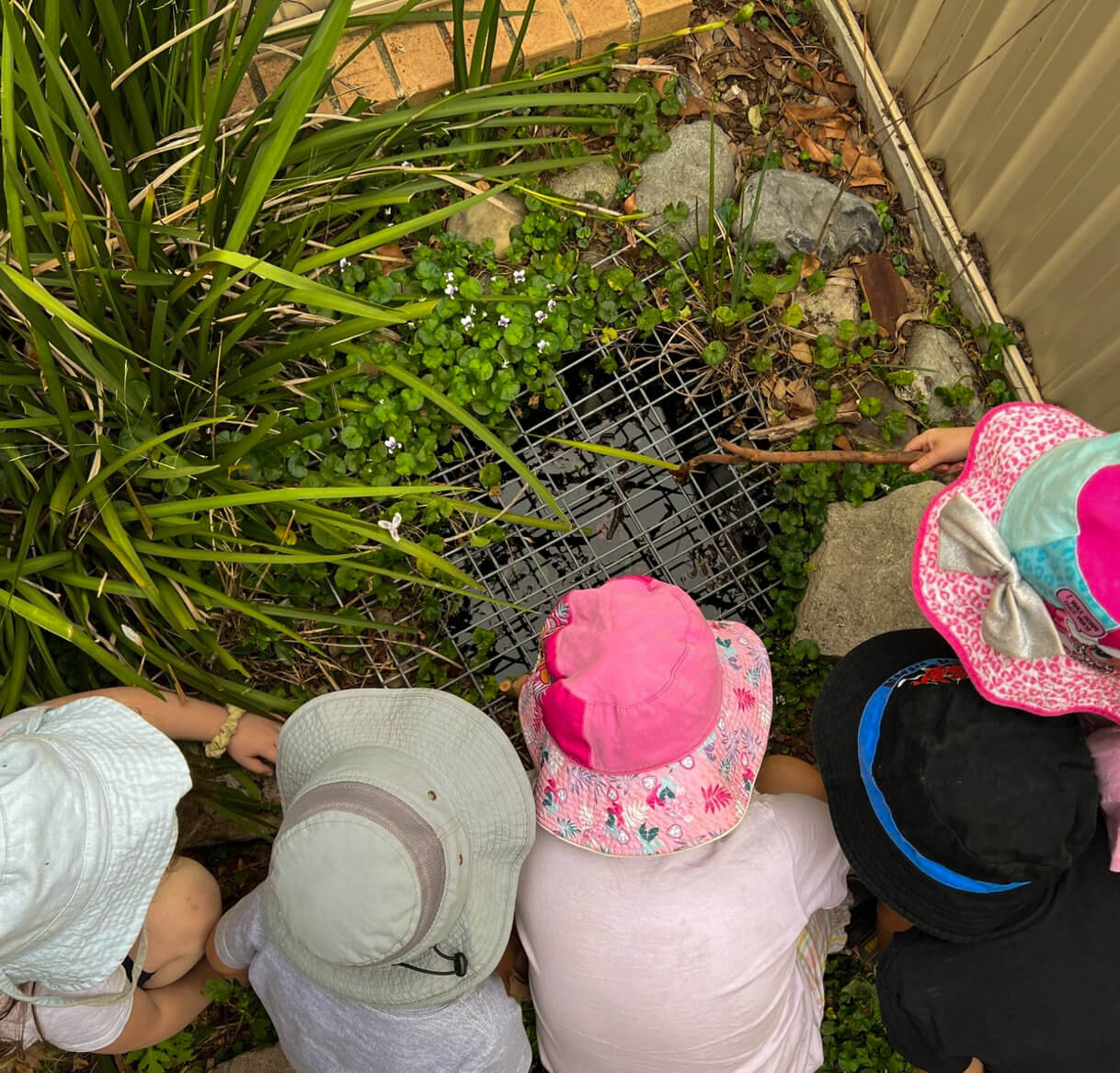
Using Nature as the Ultimate Question Generator
Outdoor environments provide endless opportunities for authentic wondering. Even small outdoor spaces offer rich questioning opportunities:
- Weather watching: “I wonder why clouds look different today”
- Seasonal changes: “I wonder what happened to all the green leaves”
- Animal behaviour: “I wonder why that bird keeps coming back here”
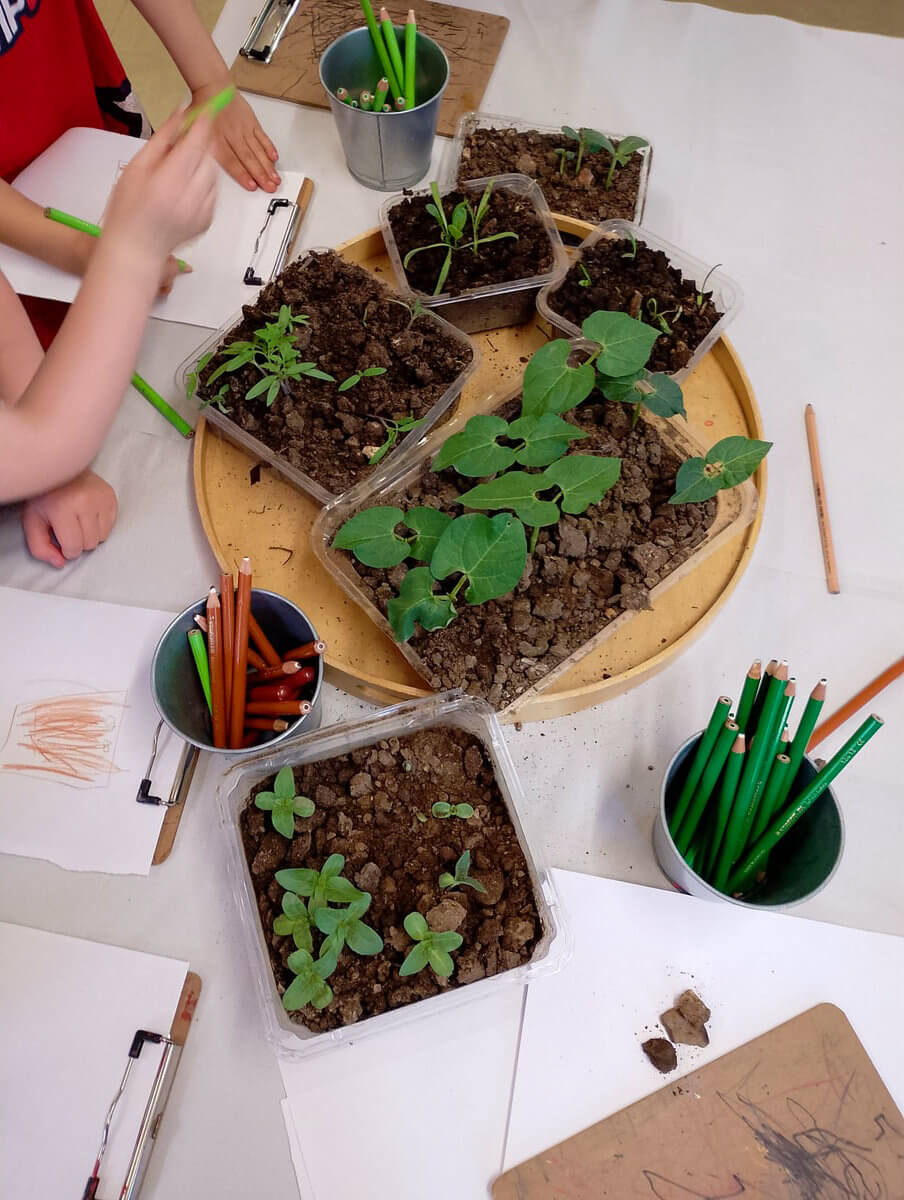
- Plant growth: “I wonder what this seed needs to grow”
Our experience at Hopskotch shows us daily how nature effortlessly sparks the kinds of questions that lead to meaningful learning.
The 5 Ws of Wondering: Practical Implementation
Intentionally incorporate different types of questions throughout your daily routines:
What questions: “What do you notice about…?” “What’s different today?” Where questions: “Where do you think this comes from?” “Where might we find…?” Who questions: “Who do you think would know about this?” “Who might use this?” When questions: “When have you seen this before?” “When do you think this happens?” Why and How questions: “Why do you think…?” “How do you think this works?”
Documenting Questions and Discoveries
Create simple systems for capturing children’s questions and explorations:
- Question journals: Write down interesting questions children ask
- Photo documentation: Take pictures of their investigations and discoveries
- Wonder collections: Save interesting objects they find and want to explore further
- Story creation: Help them create stories about their discoveries and theories
This documentation shows children that their questions and discoveries are valuable and worth remembering.
The Inquiry-Based Learning Connection
At Hopskotch Kindergarten, our inquiry-based approach to early childhood education builds directly on children’s natural curiosity. This research-supported method recognises that children learn most effectively when they’re investigating questions that genuinely matter to them.
How Inquiry-Based Learning Supports Natural Curiosity
Rather than starting with predetermined lessons, inquiry-based learning begins with children’s own questions and interests. A child’s wonder about why some flowers are different colours might lead to investigations involving:
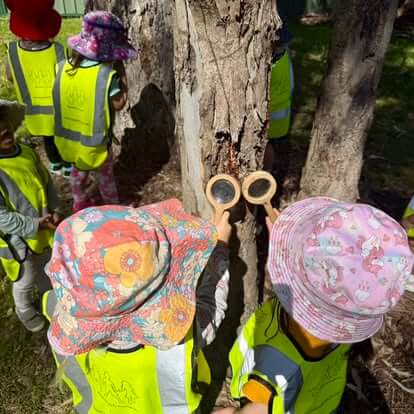
- Scientific observation: Examining flowers carefully with magnifying glasses
- Mathematical thinking: Sorting, counting, and creating patterns with different flowers
- Language development: Learning new vocabulary and expressing theories
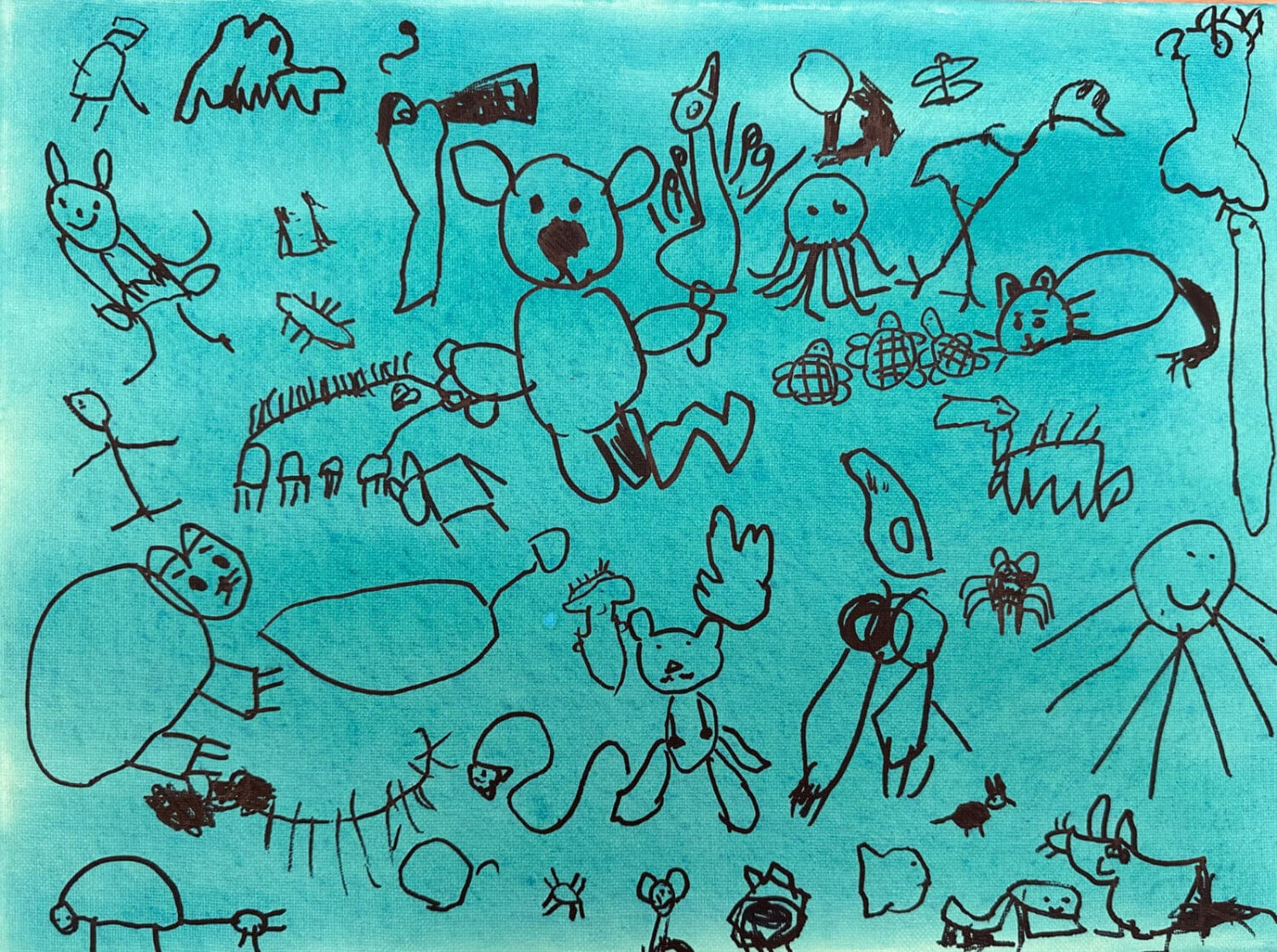
- Artistic expression: Drawing or painting what they observe
- Social learning: Sharing discoveries with friends and building on each other’s ideas
This approach honours children’s questions while building essential skills across all learning domains.
The Academic Benefits of Curiosity
Research demonstrates clear connections between early curiosity and later academic success. Children who exhibit higher curiosity during kindergarten show better academic achievement throughout primary school, with particularly strong benefits for children from families with lower socioeconomic status.
The reason is clear: curious children are intrinsically motivated learners. They ask questions, seek answers, make connections, and remember what they discover because it matters to them personally.
Building Critical Thinking Through Questioning
When children ask questions and investigate answers, they’re developing essential critical thinking skills:
- Observation: Noticing details and patterns in their environment
- Hypothesis formation: Making educated guesses about how things work
- Testing ideas: Trying different approaches and seeing what happens
- Analysis: Comparing results and drawing conclusions
- Communication: Sharing discoveries and learning from others
These skills, developed through natural curiosity and questioning, become the foundation for success in all academic areas.
The Dopamine-Learning Connection in Practice
Understanding that curiosity creates optimal brain states for learning helps us approach children’s questions with renewed appreciation. When we respond to children’s genuine interests with enthusiasm and investigation opportunities, we’re not just being kind—we’re literally optimising their brain chemistry for learning.
This is why children remember the answers to questions they were curious about so much longer than information they were simply told to memorise. Their brains are in the perfect state to encode and retain new information.
Troubleshooting: When Questions Feel Overwhelming
Let’s be honest: children’s endless questions can sometimes feel exhausting. As early childhood educators, we see parents struggling with this balance regularly, and we want you to know that feeling overwhelmed by constant questions is perfectly normal.
Honest Acknowledgment
Some days, the questions start before your eyes are fully open and continue past bedtime. “Why is the milk white? Why do cars have wheels? Why can’t I see my breath today? Why are you drinking coffee? Why, why, why?”
It’s okay to feel tired by this. It’s okay to not have the energy for a full investigation into every question. It’s okay to need breaks.
Strategies for Busy Moments
“Question parking”: “That’s such an interesting question! Let me write it down so we can explore it properly after lunch.”
Time boundaries: “I can answer three questions while I make dinner, then we’ll have quiet time.”
Question sharing: “That’s a wonderful question for Grandpa when we call him tonight” or “I bet Ms. Sarah would love to explore that with you tomorrow.”
Simple answers: Sometimes “Because that’s how it works” is sufficient, and that’s perfectly fine.
Maintaining Your Own Sense of Wonder
Children learn more from what we model than from what we say. When you show genuine curiosity about the world—when you wonder aloud about everyday things, when you admit you don’t know something, when you get excited about discovering answers—you’re teaching them that questioning is a lifelong joy.
Take care of your own curiosity: Read, explore, ask questions yourself. Your authentic wonder will be more inspiring than any perfectly crafted response.
Conclusion: Raising Lifelong Learners
As we watch children in our care grow and develop, we’re continually amazed by the power of natural curiosity. The child who asks endless questions about butterflies is developing the same thinking skills they’ll use to understand complex concepts in science, literature, and life. The child who wonders how things work is building the foundation for creative problem-solving and innovation.
Your child’s questions are gifts—to them, to you, and to the world.
When we preserve and nurture children’s natural curiosity, we’re not just supporting their current learning—we’re helping them develop the skills and dispositions they’ll need throughout their lives. In a rapidly changing world, the ability to ask good questions, seek answers with persistence and joy, and approach unknowns with excitement rather than fear will serve them far better than any set of facts we could teach them.
The research is clear: children who maintain their natural curiosity become more effective learners, more creative thinkers, and more engaged human beings.
At Hopskotch Kindergarten, we see this every day. Children who are encouraged to ask questions, investigate their interests, and follow their natural wonder develop stronger relationships, greater confidence, and deeper learning than those who are simply given information to memorise.
So tomorrow, when your child asks their 15th question before breakfast, take a breath and remember: you’re witnessing a brilliant mind at work. You’re seeing natural learning in action. You’re watching curiosity create the foundation for a lifetime of discovery.
What will you wonder about together today?
At Hopskotch Kindergarten, our inquiry-based approach honours children’s natural curiosity and transforms questions into joyful learning adventures. We believe that every child is a natural scientist, artist, and philosopher—they just need environments that support their wonder. If you’d like to learn more about how we nurture curiosity through research-based, play-focused education, we’d love to chat. Contact us at [email protected] or [email protected].